Liposuction is one of the most popular cosmetic procedures in the world, and for good reason. It sculpts areas that diet and exercise alone often can’t reach. But once it’s done, many patients start to wonder: what happens if the number on the scale creeps up? Here’s what you need to know: modest weight gain after liposuction does not have to erase your results. Your newly contoured shape is far more resilient than you might think, as long as you understand how the procedure actually works and what it takes to keep those results looking their best.

To understand what happens when weight changes after lipo, it helps to start at the beginning. Liposuction physically removes fat cells from specific areas of the body – the abdomen, flanks, thighs, arms, chin, and more. A thin tube called a cannula is inserted just beneath the skin, and those fat cells are suctioned out permanently.
This isn’t a temporary fix or a surface-level treatment. The cells themselves are removed, not just shrunk or suppressed. That distinction matters enormously.
Here’s the biology that makes liposuction so effective: adults have a largely fixed number of fat cells. When you gain weight naturally, your existing fat cells expand in size – they get bigger, but they don’t multiply significantly. When you lose weight, those same cells shrink back down.
Liposuction removes fat cells entirely from the targeted area. Once they’re gone, they cannot grow back. The body doesn’t regenerate those cells in the same spot. That’s the foundation of why lipo delivers such lasting changes – you’re literally reducing the number of cells available to store fat in that region.
The removal of fat cells is permanent, yes. But “permanent” refers to the cells themselves – not automatically to the shape you see right after surgery. Your results are durable, but they exist within a living, changing body. Your lifestyle choices in the months and years that follow will shape how well those results hold up over time.
Think of it this way: liposuction gives you a powerful head start. It redraws the map of where fat tends to accumulate on your body. Whether that advantage lasts depends largely on what comes next.
Absolutely, and that’s completely normal. Life happens. Holidays, pregnancies, stressful seasons, and slower metabolisms as we age. All of these can cause the scale to shift. The reassuring part is that gaining a small amount of weight after liposuction looks and behaves differently than it would have before your procedure.
Because the treated zones have fewer fat cells, weight tends to distribute more evenly across the body when it does accumulate. Some patients notice new fullness appearing in areas that weren’t treated. The contoured silhouette you achieved tends to remain more proportional even with modest fluctuations.
The picture does shift, however, with significant weight gain, which is generally considered to be 10% or more of your total body weight. At that level, even the reduced number of fat cells in the treated area can expand noticeably, and untreated areas may become more prominent by comparison. Staying within a reasonable range of your post-surgical weight is the single most important thing you can do for long-term satisfaction.
This is one of the most common questions patients ask. Fat does not return to treated areas in the same way it used to accumulate there. Since most of those cells are gone, the region simply has less capacity for fat storage. That said, a few things are worth knowing:
If weight gain is significant, the remaining fat cells in the treated area can still expand to some degree.
Untreated neighboring areas may develop more noticeable fullness, which can affect the overall look of your results.
In rare cases of extreme weight gain, the body may begin generating new fat cells in various regions, including those that were treated.
For most patients experiencing everyday weight fluctuations, a few pounds here and there, the treated areas stay comparatively slimmer than they would have before surgery. The procedure essentially resets your body’s fat distribution pattern.
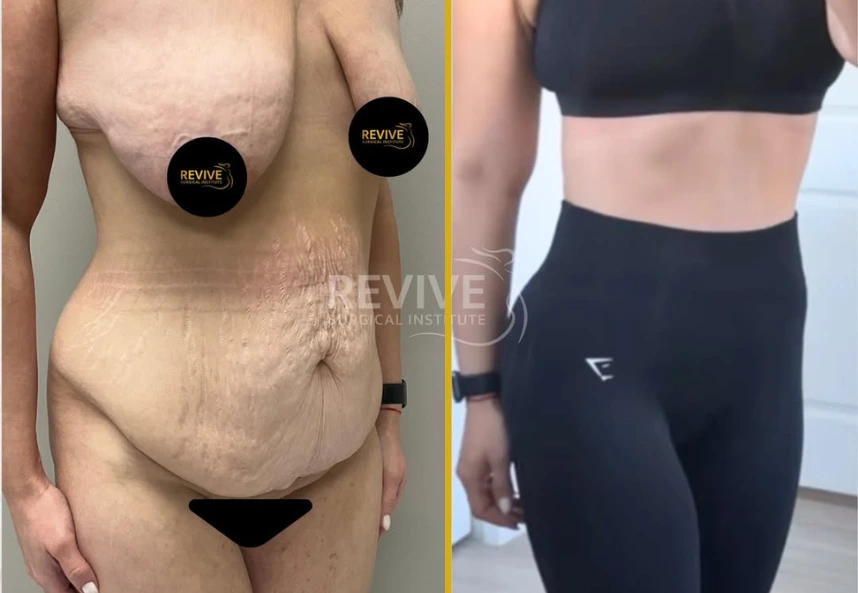
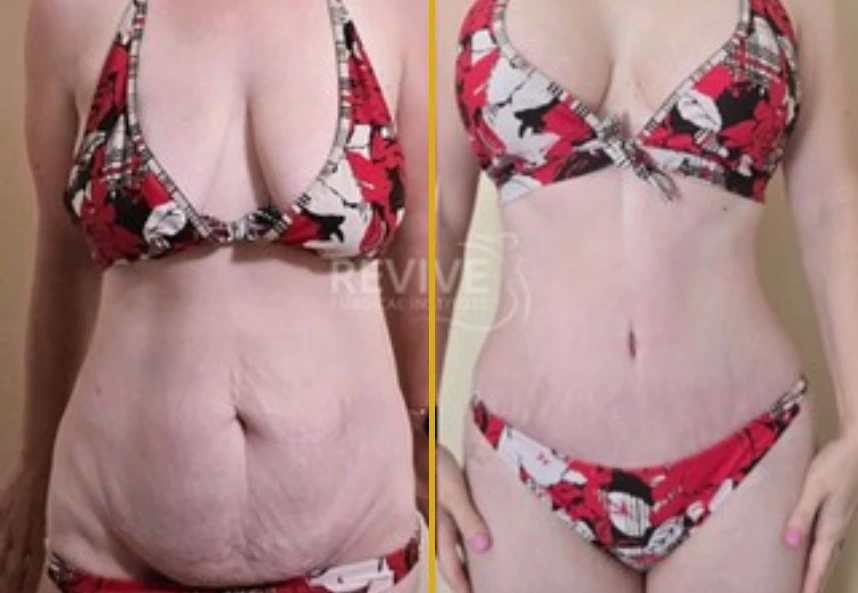
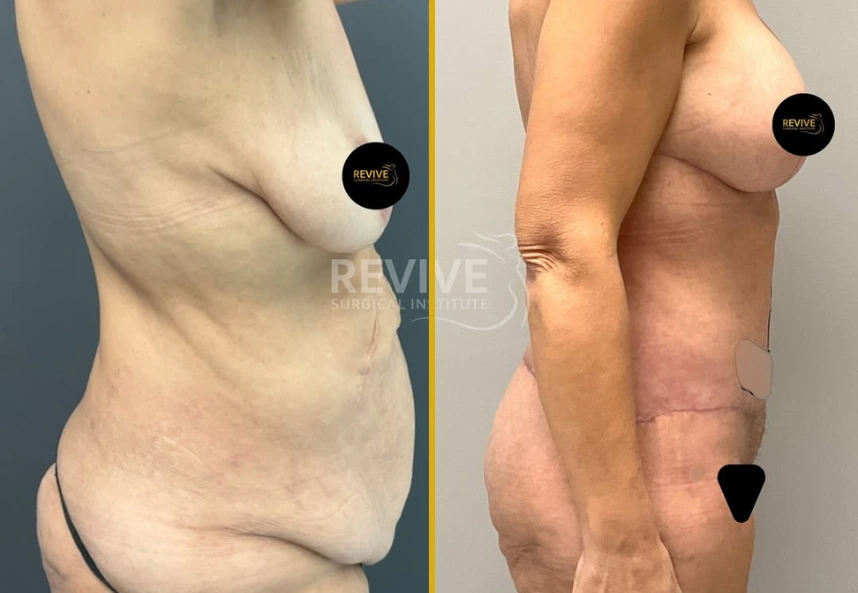
Liposuction is not a weight loss procedure in the traditional sense. The amount of fat removed is typically measured in a few pounds rather than tens of pounds. Most patients see a modest change on the scale but a significant change in shape and proportion. Clothing fits differently. Contours look smoother. Problem areas feel more balanced.
Managing expectations around the scale versus the mirror matters. The goal of lipo is contouring, not a dramatic shift in numbers. Patients who focus on how they look and feel – rather than chasing a specific weight – tend to be the most satisfied with their results long term.
Hormonal changes due to menopause, thyroid fluctuations, or shifts in activity level can affect body weight over time, regardless of any procedure. These are completely normal, and your surgical results can still look great through them. The key is catching weight creep early and making small adjustments before larger gains set in.
Your surgeon did their part. Here’s how you hold up your end:
Stay within 10 lbs of your post-surgery weight as a general guideline. This is the zone where your results are most visible and most protected.
Build sustainable habits, not extreme ones. Crash diets followed by rebound gains are damaging to your results.
Prioritize strength training. Muscle takes up less space than fat and keeps your metabolism active, helping you maintain your shape even through minor fluctuations.
Watch sodium and stay hydrated. Bloating from water retention can temporarily obscure your results – it’s not fat, and it resolves quickly with small adjustments.
Keep your follow-up appointments. Your surgical team can spot early changes, offer guidance, and answer questions before small concerns grow into bigger ones.
Here’s something that surprises many patients: significant weight loss after liposuction needs to be managed just as carefully as weight gain. Losing a large amount of weight post-surgery can lead to skin laxity in treated areas, since the skin needs time to contract around the new volume. Gradual weight loss is always better than rapid swings in either direction.
The sweet spot is maintaining a stable weight – one that’s right for your body, not a number pulled from a generic chart. Patients who treat liposuction as a complement to an already-healthy lifestyle, rather than a replacement for one, consistently report the best long-term outcomes.
Liposuction gives your body a new starting point. What you build from there is yours to shape. The procedure is a powerful tool, and with a little consistency and care, the results it delivers are ones you can enjoy for a long, long time.
If you’re ready to explore what body contouring surgery can do for you, the team at Revive Surgical Institute is here to help. During your visit, we’ll talk through your goals, assess whether you’re at or near your ideal weight, and discuss liposuction treatment options that are right for your body and lifestyle. Liposuction is one of the most effective ways to permanently remove fat cells from stubborn areas, and we’ll make sure you leave with a clear plan and every question answered.
Book your consultation today and take the first step toward a shape that feels like you.
One of the primary goals of any liposuction procedure is to give you a smoother shape by eliminating stubborn fat from areas that resist even the most dedicated efforts. But it’s worth remembering that this surgical procedure works best when the patient is a good candidate, meaning they’re already near a healthy weight and not relying on lipo as a weight loss method.
When fat accumulates again due to considerable weight gain, it doesn’t always return in an even manner. The body may begin storing fat in untreated areas, including the upper arms and even deeper visceral fat around the internal organs, which is why maintaining a stable weight after your procedure matters so much for lasting results.
Managing post-lipo weight gain comes down to daily habits that support your body long after recovery. Liposuction patients who do best over time tend to keep a close eye on their caloric intake, swap processed carbs for healthy carbohydrates like whole grains, and eat several smaller meals throughout the day rather than large ones. Breaking your day into smaller meals helps regulate hunger, stabilizes energy, and reduces the chance that excess fat cells in untreated regions expand significantly. Pair a balanced diet with exercising regularly, and you give your results the strongest possible foundation to stand on.
Ultimately, the best thing you can do to avoid weight gain and protect your investment is to stay on a healthy diet and follow the post-procedure instructions provided by your doctor closely. The treatment areas will remain more contoured than they ever were before your liposuction surgery, but your body still responds to how you treat it every day. A sustainable, balanced diet combined with consistent movement isn’t just good advice – it’s the bridge between a great surgical outcome and results that genuinely last. You’ve already taken the most important step. The rest is about building the lifestyle that keeps you there.