Blepharoplasty Eyelift Surgery in Miami, FL
With aging, the skin around the eyes can become droopy and saggy, making us look tired and older than we are. Eyelift surgery can help address these concerns and give you a more youthful, refreshed appearance. Blepharoplasty is a cosmetic surgery that addresses the lower and upper eyelids by removing excess fat (in some cases) and skin.
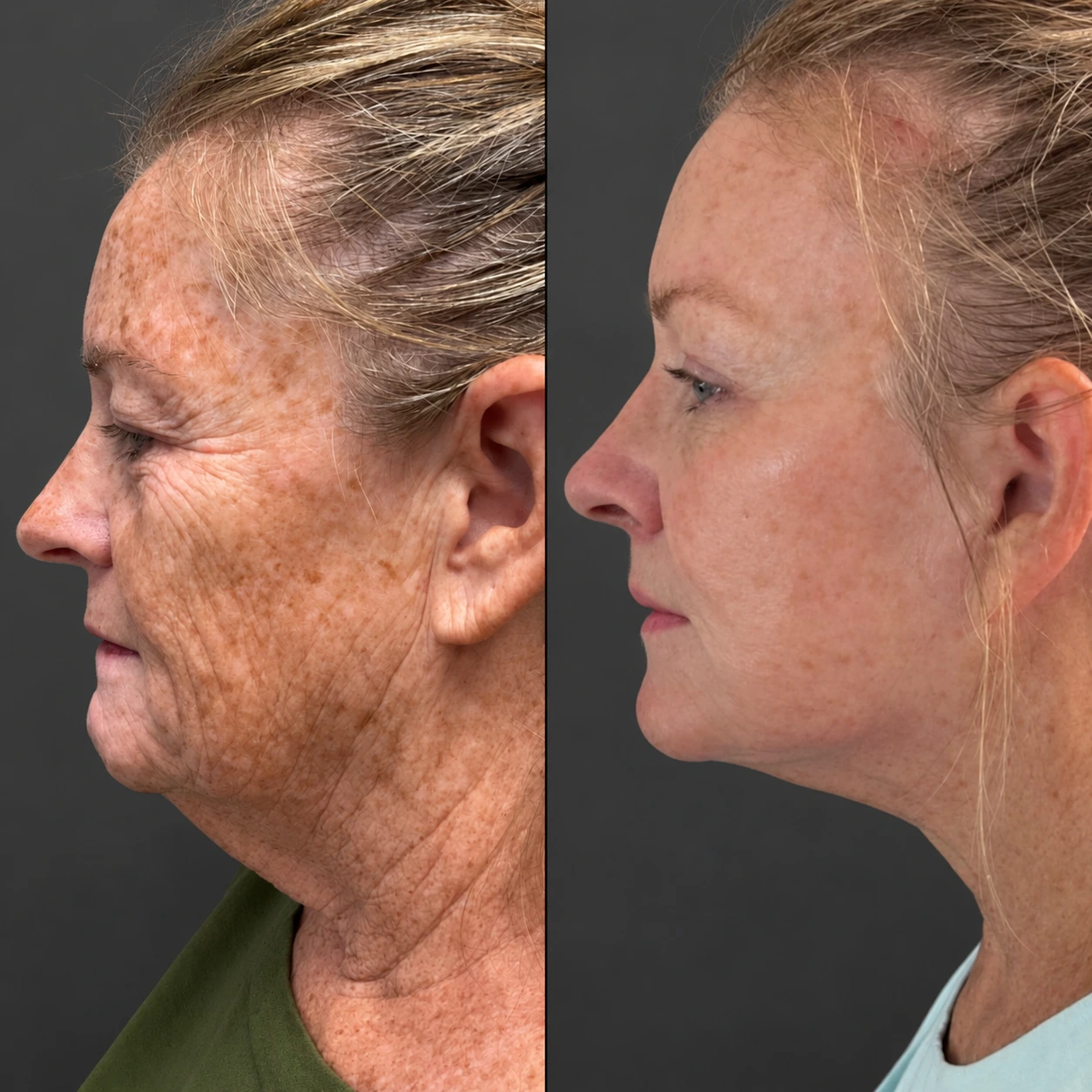
What is Eyelift Surgery?
In addition to its cosmetic applications, eyelift surgery can have clinical uses. In some cases, excessive skin on the upper eyelid can impair vision, making it difficult for patients to see correctly. In such cases, eyelid surgery can help to improve vision by removing the excess skin that is obstructing the patient’s field of vision.
What are the different types of eyelid surgery?

Upper Eyelid Surgery
The upper eyelid surgery targets the upper eyelids. Dr. Askari will remove excess eyelid skin, muscle, and fat. This procedure can help to reduce drooping or sagging of the upper eyelids, which makes patients look tired or aged. During the procedure, the surgeon will make an incision along the natural crease of the eyelid and then remove or reposition the excess tissue. The incision is then closed with sutures. The eyelid skin is not the only part that can be removed. Excess fat pockets can be extracted to lighten the heaviness of the eyelid.

Lower Eyelid Surgery

Upper and Lower Eyelids Surgery
Add-on surgery to an eyelid surgery

Brow lift

Canthopexy

Skin Resurfacing
Who is a Candidate for Eyelift Surgery?
Before opting for eyelift surgery, it is important to consider a few factors. To be considered a candidate for eyelift surgery, you should be in good overall health and have realistic expectations about the procedure’s outcome.
In addition, you should have specific concerns about the appearance of your eyes that can be addressed with eyelift surgery. This may include:

Droopy or sagging eyelids that impair your vision or
make you appear tired or older than you feel


Recovery Process after an Eyelid Surgery

After undergoing an eyelift surgery, it is expected to experience swelling, bruising, and discomfort in the treated area. However, following proper recovery protocols can help minimize these symptoms and ensure optimal healing.

What to Do and
What Not to Do During Recovery
During the recovery period, it is important to follow your surgeon’s instructions carefully to ensure proper healing and minimize the risk of complications. Here are some general guidelines on what to do and what not to do during the recovery process:
- Apply cold compresses to the treated area to reduce swelling and bruising. The surgeon may recommend using ice packs or frozen peas wrapped in a towel for the first 48 hours after surgery.
- Take any prescribed pain medication as directed to manage discomfort.
- Keep your head elevated while sleeping to minimize swelling.
- Avoid strenuous activities, heavy lifting, and bending over for at least one week after surgery.
- Avoid rubbing or touching the treated area to minimize the risk of infection.
- Avoid smoking, as it can delay the healing process and increase the risk of complications.
- Attend all scheduled follow-up appointments with your surgeon to monitor your progress and ensure proper healing.