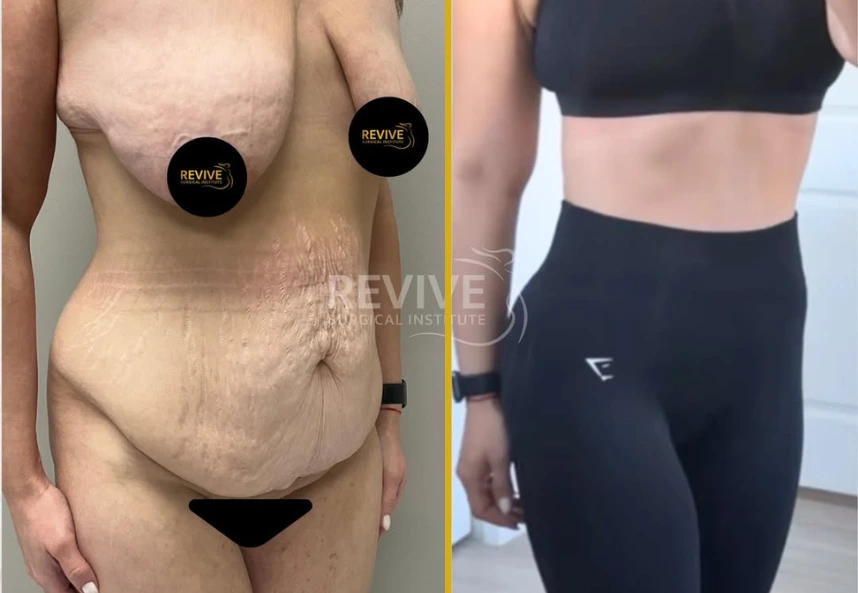
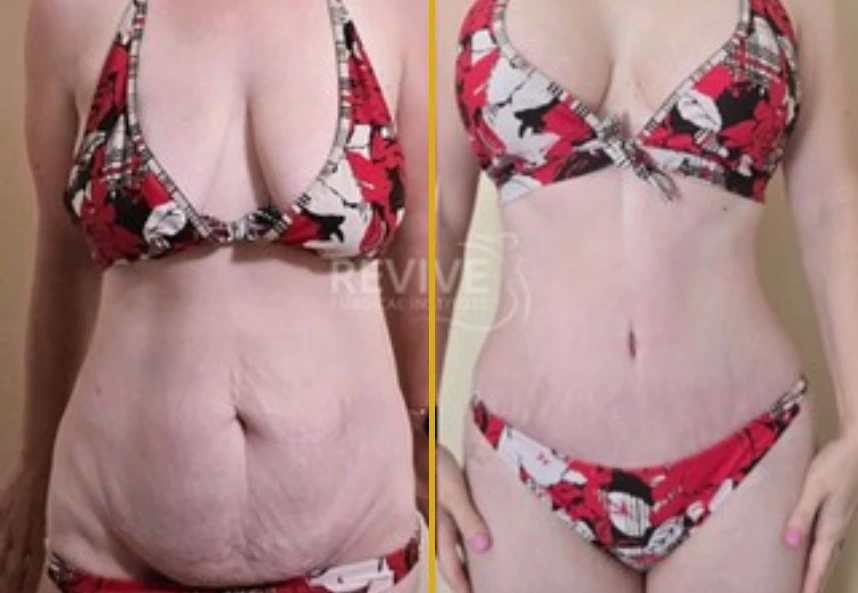
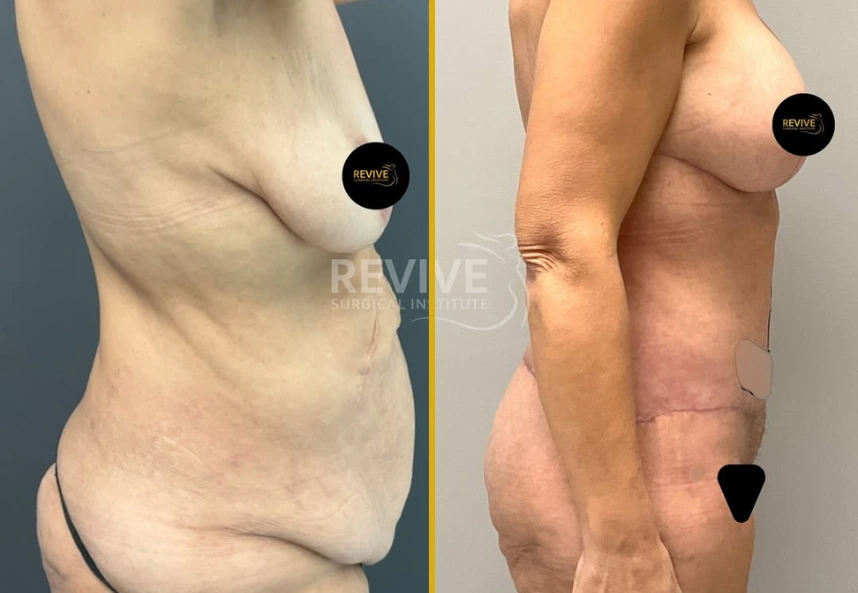
Most people considering Lipo 360 have one big question before anything else: how long is this actually going to take? You’ve done the research, you’ve had the consultations, and now you just want a straight timeline you can plan your life around. Lipo 360 recovery time typically runs about six weeks before you’re back to all normal activities. But here’s the good news: most people feel surprisingly functional within the first few days and are back to desk work and light daily routines within one to two weeks. The journey from surgery to full activity is very manageable when you know what to expect at each stage.

Lipo 360 is an advanced liposuction procedure that targets the midsection from every angle – the abdomen, flanks, lower back, and waist. Because it covers more surface area than traditional liposuction, the recovery does require a little more patience. But “more patience” doesn’t mean “more miserable.” Most patients are genuinely surprised by how well they feel in those first few days post-surgery.
Understanding your liposuction recovery from week one through month three helps you set realistic expectations and make smarter decisions along the way.
The first week is the most physically demanding part of recovery and also the most important to get right.
Here’s what’s typically happening in your body during days one through seven:
Swelling and bruising are at their peak. This is completely normal and expected.
You may notice fluid draining from small incision sites. This is actually a good sign – it’s your body clearing out the tumescent fluid used during surgery.
Discomfort is usually described as soreness, tightness, or a deep achiness – similar to an intense workout.
Fatigue is real. Your body is working hard to heal, so rest is genuinely productive.
Most patients are up and walking (slowly) within 24 hours. Short walks around the house are actually encouraged to support circulation and reduce the risk of complications. You won’t be running errands or chasing kids, but you’re not stuck flat on your back either.
Pain is manageable for the vast majority of patients with prescribed medications. By days four to five, many people are surprised to find themselves needing less pain relief than they anticipated.
By week two, swelling starts to gradually decrease. Energy levels improve. Many patients with desk jobs or remote work return to their professional routines during this window, as long as they’re not doing anything physically demanding.
By weeks three and four, you’re likely moving more comfortably, your compression garment is becoming a familiar part of your routine, and the dramatic bruising has largely faded. You’re still healing internally – the tissues beneath the surface are remodeling – but you won’t necessarily look or feel like someone in recovery.
This is also the phase where lymphatic massage becomes incredibly valuable. Many surgeons recommend starting manual lymphatic drainage sessions around week two. These gentle massage techniques help move fluid through the body, reduce swelling more quickly, and support smoother skin texture as you heal.
By weeks four through six, most patients start feeling much closer to normal in their day-to-day lives. Residual swelling continues to decrease, and the treated areas begin to reveal more of their new contours. You may still notice some firmness, numbness, or slight unevenness under the skin – this is part of the natural healing process as internal tissues continue to settle and remodel. During this stage, many surgeons gradually clear patients to resume more physical activity, including light workouts and gentle strength training.
Lifestyle habits play an important role during this stage. Maintaining a stable weight, staying active, and supporting your body with good nutrition can help preserve your results. By the six-month mark, most patients see the full outcome of their procedure, with smoother contours and natural-looking definition that reflects the final stage of the healing process.
If there’s one piece of recovery advice that every board-certified plastic surgeon agrees on, it’s this: wear your compression garment. Consistently. Without skipping.
Your compression garment does several critical things at once. It reduces swelling by supporting the tissues and preventing fluid buildup. It helps your skin conform to your new contours as you heal. And it provides a layer of comfort by stabilizing the treated areas, which actually makes moving around feel easier.
Most surgeons recommend wearing your compression garment full-time for the first 3 to 4 weeks, then transitioning to part-time wear for an additional 2 to 4 weeks. It might not feel glamorous, but it is one of the most effective tools you have for a smooth recovery and beautiful results.
Your surgeon’s post-op instructions are not suggestions – they’re the blueprint for your best possible outcome. Every detail, from how to clean your incision sites to when you can shower to which supplements to avoid, is there for a reason.
Common post-op guidelines for Lipo 360 typically include:
No soaking in baths, hot tubs, or pools until incisions are fully closed
Avoiding direct sun exposure on treated areas
Sleeping in a slightly elevated position to reduce swelling
Staying hydrated and eating a balanced diet to support tissue repair
Attending all follow-up appointments – these check-ins allow your surgeon to catch anything early and track your progress
The patients who see the smoothest recoveries are almost always the ones who follow these instructions carefully. It’s a short investment of discipline for a long-term reward.
The big milestones most patients want to know about:
Light walking: Day 1-2 post-surgery
Desk work and sedentary tasks: Days 5-10
Driving (once off narcotic pain medication): Usually by day 5-7
Light housework and errands: Weeks 2-3
Cardio (walking, cycling, elliptical): Around week 4-6, with surgeon clearance
Full return to all normal activities: Week 6 and beyond
Every person’s body heals on its own schedule, and your surgeon’s clearance always takes priority over any general timeline. These windows are guideposts, not hard rules.
Heavy lifting deserves its own conversation because it’s one of the most common areas where patients either push too hard or feel frustrated by restrictions.
The general guidance is to avoid lifting anything over 10-15 pounds for the first two to three weeks. After that, you can gradually reintroduce movement based on how your body feels and what your surgeon approves. High-impact exercise, heavy resistance training, and anything that significantly raises your core body temperature should wait until around the six-week mark.
Pushing this too early doesn’t just risk discomfort – it can increase swelling, disrupt healing tissue, and ultimately delay your results. Patience here pays off in a big way.
Small daily habits make a meaningful difference in how your recovery goes:
Stay moving, but stay smart. Gentle movement prevents stiffness and supports circulation. Overexertion does the opposite.
Prioritize sleep. Recovery happens fastest when your body is at rest.
Manage sodium intake. High-sodium foods can increase fluid retention and worsen swelling.
Skip alcohol. It thins the blood, dehydrates you, and slows healing.
Keep stress low. Cortisol is not a recovery-friendly hormone.
Here’s something that surprises a lot of Lipo 360 patients: the results you see at six weeks are not your final results. Swelling can linger in subtle ways for three to six months, and in some cases, full tissue settling takes up to a year.
The silhouette you see at week six is a strong preview of what’s coming, but the best version of your results will continue to reveal itself over the following months. Most patients report that their bodies keep improving well past the six-week mark, which makes the process genuinely exciting to watch unfold.
Lipo 360 is an outpatient procedure, which means you go home the same day. But that doesn’t mean your body takes the change lightly. In the days following your surgical procedure, expect moderate pain, significant swelling, and some fluid drainage from the incision sites. All of this is normal, and all of it is manageable. Your prescribed pain medication will keep discomfort under control, and wearing compression garments consistently will do more for your recovery process than almost anything else. Stock up on what you need before surgery day: loose, easy clothing, healthy snacks, and a comfortable space to rest without having to move around much.
The lifestyle choices you make after surgery directly shape what you see in the mirror months from now. Proper hydration supports tissue repair and helps reduce swelling faster than most people realize, so make drinking water a genuine priority. A healthy diet rich in lean protein, vitamins, and anti-inflammatory foods gives your body the raw materials it needs to heal efficiently. Keep in mind that full results take at least six weeks to begin showing, and your final shape continues to refine itself for months beyond that. Patients who plan ahead and commit to the process consistently report smoother recoveries and results they’re proud of.
If you’re ready to say goodbye to unwanted fat and finally achieve the body shape you’ve been working toward, Revive Surgical Institute is here to make that happen with confidence and care. Our team takes the time to understand your goals, walk you through every step of the process, and make sure your overall health is fully considered before, during, and after your procedure. From your first consultation to your final follow-up, we provide detailed aftercare instructions and hands-on support to ensure proper healing every step of the way.
Book your Lipo 360 consultation at Revive Surgical Institute today and take the first real step toward results that last.
Lipo 360 is a proven fat removal procedure that uses a liposuction cannula to precisely target and have fat removed from the entire midsection, but the results you see depend just as much on your recovery as on the surgery itself. In the early days, the initial pain is manageable, and as the discomfort subsides, you’ll notice less swelling and the exciting emergence of your new shape. Starting light exercises like gentle stretching and short walks early on helps prevent blood clots and keeps your body moving in the right direction. Incorporating lymphatic drainage massages into your routine further supports less swelling and helps your abdominal muscles and surrounding tissues settle properly. If you’ve also combined your procedure with a tummy tuck or fat transfer, your timeline may extend slightly, but the principles of successful recovery remain the same.
By about six to eight weeks, most patients are cleared to gradually return to a full exercise regimen, though strenuous exercise should still be reintroduced carefully and only with the surgeon’s approval. Discomfort in the final weeks is usually minimal, but attending follow-up visits remains essential – your surgeon needs to confirm that fat removal results are progressing as expected and that your body is healing from the inside out