Lymphatic massage after liposuction may help by gently moving trapped fluid out of treated areas, which can ease swelling, improve comfort, and let your new contours show sooner. It works alongside compression garments, movement, and the aftercare plan your surgical team gives you. This article explains how lymphatic massage after liposuction may help, what it can and cannot do, and what to expect from your sessions.
At Revive Surgical Institute, Post Op Lymphatic Massage is one of the services we offer to support patients after liposuction, Lipo 360, and other body contouring procedures. Our team pairs massage with compression to help shape the body as it heals.
What Is Lymphatic Drainage Massage
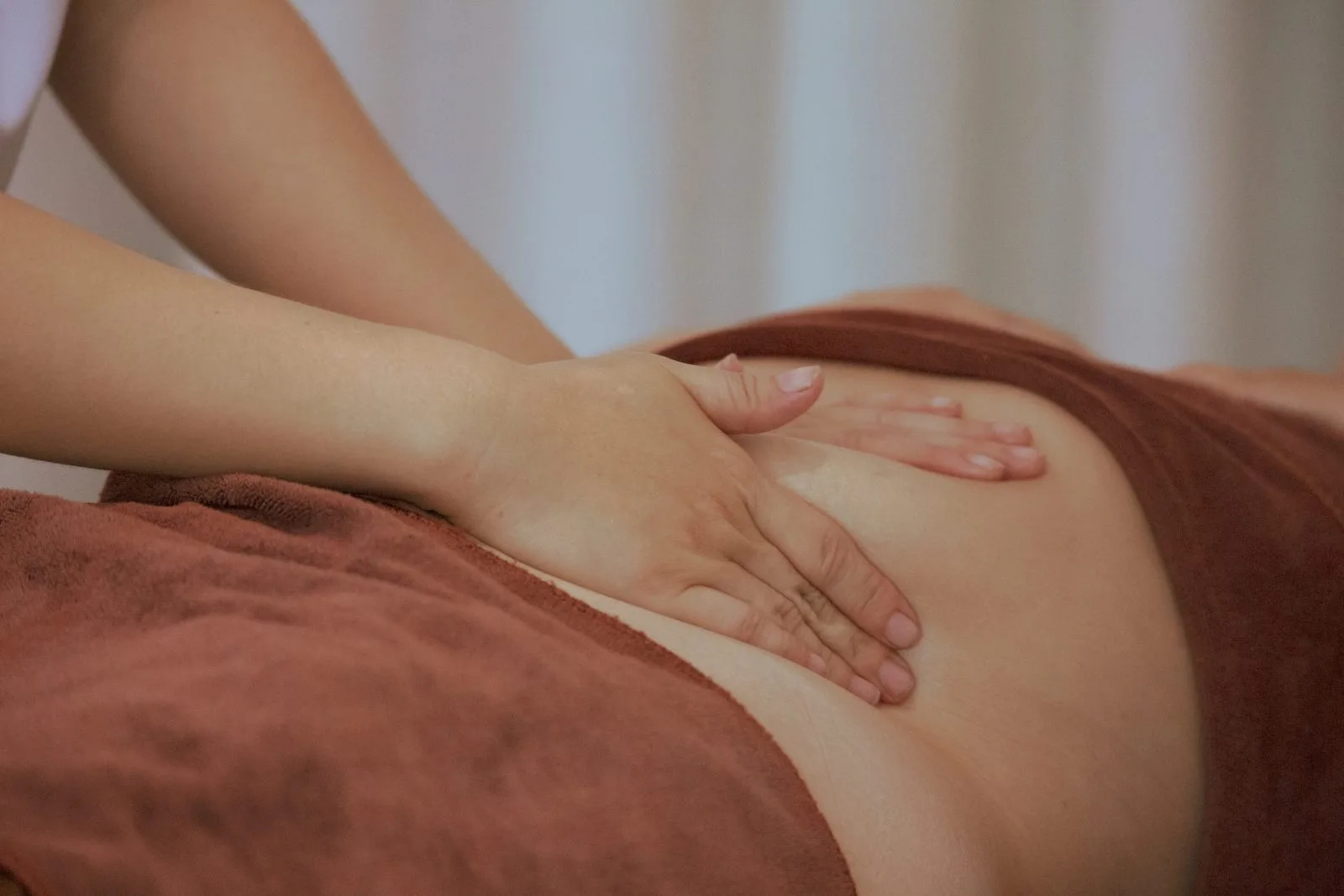
Lymphatic drainage massage is a light, rhythmic massage that encourages the lymphatic system to move fluid more efficiently. The lymphatic system is a network of thin vessels and nodes just under the skin. It collects extra fluid from your tissues and returns it to your bloodstream.
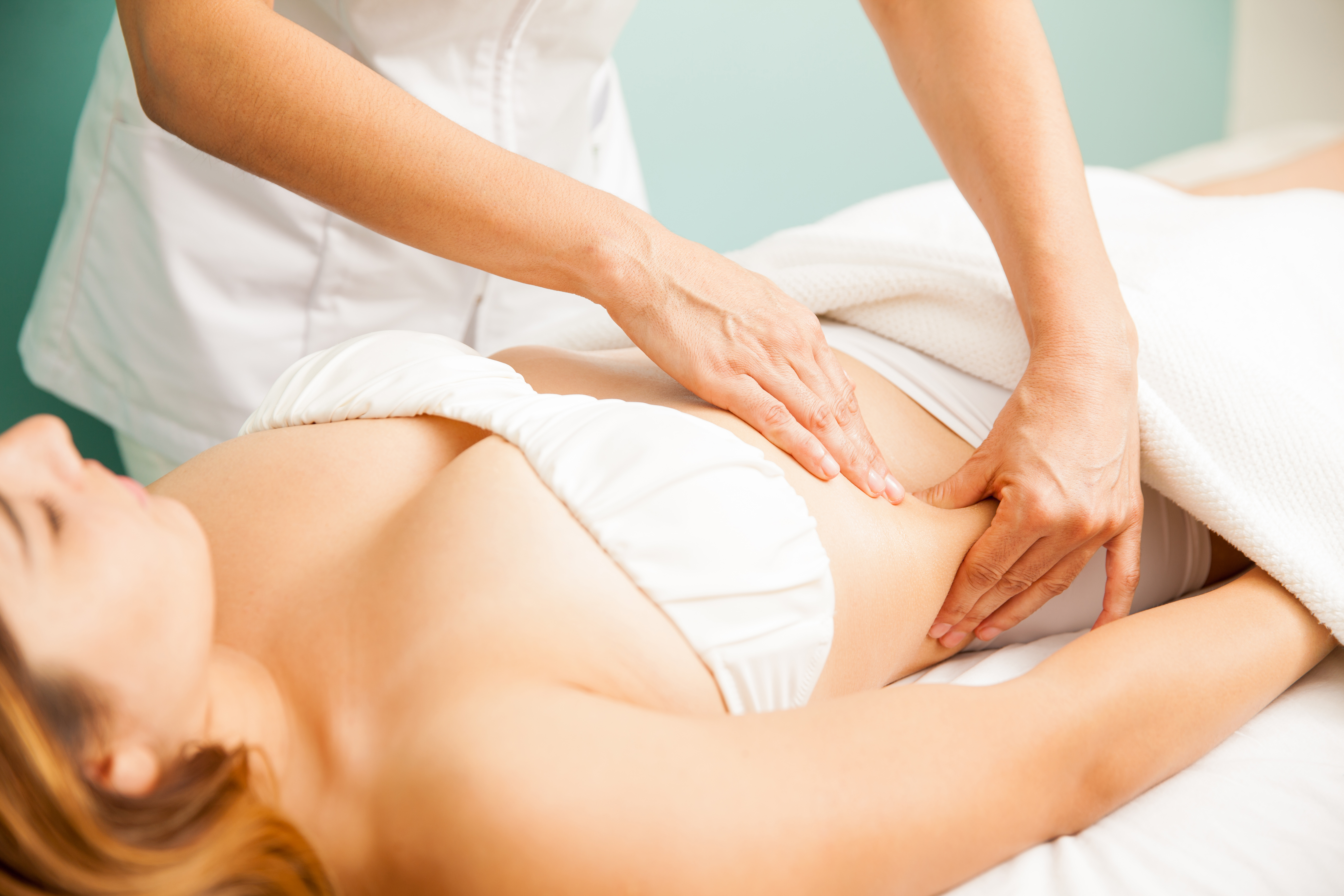
This massage is very different from a deep tissue or sports massage. The pressure is soft, and the strokes follow the direction lymph naturally flows, usually toward clusters of lymph nodes in the groin, underarms, and neck. The goal is not to knead muscle. The goal is to guide fluid out of areas where it has pooled.
After liposuction, the treated tissue holds extra fluid while it heals. Lymphatic massage helps that fluid find its way out. Our Lymphatic Massage is designed for this kind of post-surgical recovery.
Why Swelling Occurs After Liposuction
Swelling is a normal part of healing after liposuction. During the procedure, fat is removed from beneath the skin. That leaves small spaces in the tissue where the body sends fluid as part of its natural repair process.
Several things contribute to post-liposuction swelling:
The body’s healing response. Fluid and immune cells rush to the treated area to begin repair.
Disrupted lymphatic pathways. Small lymph vessels in the treated area can be temporarily disturbed, so fluid drains more slowly than usual.
Fluid used during the procedure. Liposuction often involves fluid placed in the tissue, and some of it remains afterward.
Gravity and position. Fluid tends to settle in lower areas of the body, especially if you sit or lie still for long periods.
Swelling usually peaks in the first several days and then slowly goes down over weeks to months. Patients who have larger areas treated, such as with Lipo 360, may notice swelling across the abdomen, flanks, and back at the same time. This is expected, and it is one reason a structured recovery plan matters.
How Lymphatic Massage Supports Liposuction Recovery
Lymphatic massage gives the body a helping hand while its own drainage system recovers. Gentle strokes move fluid from the treated area toward working lymph nodes, where it can be cleared. When combined with a compression garment, massage helps the skin settle smoothly against the new contour underneath.
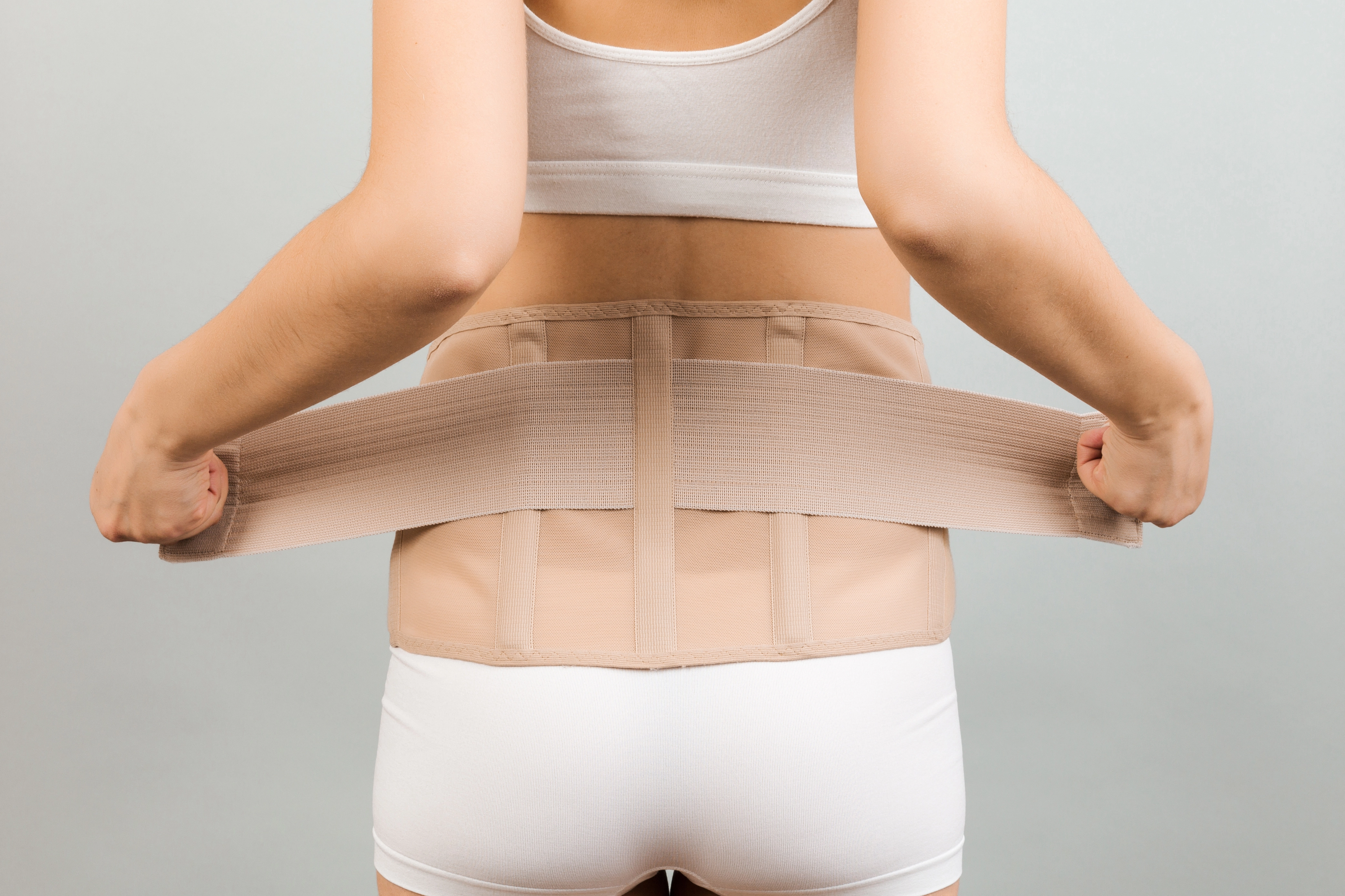
Our team views massage and compression as partners. Compression keeps steady pressure on the tissue so fluid does not build back up. Massage actively moves the fluid that has already collected. Together, they support body molding during the weeks after surgery.
Key Benefits of Lymphatic Massage After Liposuction
Reducing temporary swelling and pressure. The most direct benefit is less fluid in the treated area. As fluid drains, many patients feel less tightness, heaviness, and pressure under the skin.
Improving comfort and mobility. Swollen tissue can feel stiff and sore. As swelling eases, moving, bending, and walking often feel easier. Better mobility also helps recovery, since light movement supports circulation.
Enhancing early contour visibility. Swelling can hide the shape your liposuction created. Clearing excess fluid lets your new contours show sooner. This can be encouraging during the early weeks, when it is easy to feel impatient.
Supporting faster healing and recovery. Tissue that is less congested may heal more comfortably. Massage also encourages patients to stay engaged with their aftercare routine, which supports a smoother recovery overall.
Aiding in the reduction of lumps, bumps, and scars. As tissue heals, some patients notice firm spots or uneven areas under the skin. Regular massage may help soften these areas and keep the tissue smooth while it heals. It can also support the overall look of the treated skin over time.
How Lymphatic Massage After Liposuction May Help and Its Limits
Lymphatic massage is a helpful recovery tool, but it has clear limits. Knowing them helps you set realistic expectations.
Limitations of lymphatic massage
It does not remove fat. Massage moves fluid, not fat cells. The fat reduction comes from the liposuction itself.
It does not replace compression. Massage works alongside your compression garment, not instead of it.
It does not tighten loose skin. If skin laxity is a concern, our team may discuss skin tightening options such as J-Plasma, which we offer with Lipo 360.
It does not change your surgical result. Massage supports healing, but the shape created during surgery is the foundation of your outcome.
It does not speed up healing on demand. Your body still needs time. Massage helps the process along but cannot skip it.
When swelling or firmness needs medical evaluation
Most swelling after liposuction is normal and fades with time. Still, some changes should be checked by your surgical team rather than treated with massage. Contact our team if you notice:
Swelling that suddenly increases rather than slowly improving
Swelling that is much greater on one side than the other
A tender, warm, or red area
A firm area that feels fluid-filled or seems to grow
Pain that gets worse over time rather than better
Swelling, pain, or warmth in one calf or leg
In these situations, massage is not the right first step. Your team needs to examine the area and decide what care is appropriate.
Impact of skipping recommended massage
Increased swelling. Without help moving fluid, swelling may linger longer in the treated areas. This can feel uncomfortable and make the weeks after surgery more frustrating.
Slower healing. Congested tissue may take longer to settle. Patients may feel tight and sore for a longer stretch than they would with regular massage.
Potential for fibrosis or scar tissue. When fluid sits in the tissue for a long time, firm bands or patches can form under the skin. This is often called fibrosis. Regular massage during recovery may help keep tissue soft and reduce the chance of firm, uneven areas developing.
Impact on final results. Lingering swelling and firm tissue can make the treated area look less smooth. Supporting the tissue as it heals helps the skin settle evenly over your new contour. This is why we treat massage as part of the body molding process, not an optional extra.
What to Expect During Lymphatic Massage After Liposuction
Your first session may feel unfamiliar, especially if you expected a traditional massage. Sessions are calm and gentle. Your therapist will work around the treated areas using light, slow strokes that guide fluid toward lymph nodes. You will usually remove your compression garment for the session and put it back on afterward.
Many patients notice they need to urinate more often after a session. This is a normal sign that the body is clearing fluid. Drinking water before and after your appointment can help.
When Lymphatic Massage Can Start
Timing depends on your procedure and how your body is healing. Many patients begin within the first days to two weeks after liposuction, once their surgeon clears them. Starting too early or too late can both be less helpful, so follow the timeline our team gives you.
Your surgeon will consider the size of the treated area, how your incisions are healing, and how you are feeling overall. Patients who have more extensive procedures, such as combined body contouring or high BMI liposuction, may follow a more tailored schedule.
How Many Sessions Patients Usually Need
There is no single number that fits everyone. Some patients do well with a short series of sessions in the first few weeks. Others benefit from a longer course, especially after large-volume liposuction or multiple treated areas.
Sessions are often more frequent early in recovery, when swelling is greatest. As swelling improves, they may be spaced further apart. Our team will recommend a plan based on your procedure, your body, and how quickly your swelling goes down.
How Lymphatic Massage Should Feel
Lymphatic massage should not be painful. Treated areas will be tender in the early weeks, so some mild discomfort is normal. However, the pressure itself should feel light.
If a session hurts, tell your therapist right away. They can adjust their pressure or technique. Sharp or worsening pain during massage is a reason to pause and check in with your surgical team.
Over time, most patients find sessions more comfortable as tenderness fades. Many describe the feeling as relieving, since the tight, full sensation often eases after each visit.
Performing Lymphatic Massage on Yourself
Some patients ask whether they can do lymphatic massage at home.
Guidance on self-massage vs. professional treatment
Professional sessions are recommended in early recovery. A trained therapist knows how much pressure to use, which direction to guide fluid, and how to work around healing incisions. They can also spot changes that should be reviewed by your surgeon.
Self-massage may play a supporting role later in recovery, but only with your surgical team’s approval. If you are cleared for it, keep these general points in mind:
Use very light pressure, about the weight of a hand resting on the skin.
Move slowly and in the direction your team shows you, usually toward the nearest lymph nodes.
Avoid pressing directly on incisions.
Stop if anything feels painful, warm, or unusual.
Self-massage works as an addition to professional care, not a replacement for it.
When to Delay or Avoid Lymphatic Massage
Lymphatic massage is not right for everyone at every stage. Your surgical team will review your health before recommending sessions.
Medical conditions and contraindications
Massage may need to be delayed or avoided if you have:
Signs of infection near the treated area, such as redness, warmth, or drainage
A suspected blood clot or unexplained swelling and pain in one leg
Certain heart conditions or heart failure
Certain kidney conditions
Open or poorly healing incisions in the area to be massaged
An active skin condition over the treated area
Always share your full medical history with our team, including medications and any past health concerns. This helps us decide whether massage is appropriate and when it can begin safely.
Other Tips to Reduce Swelling After Liposuction
Lymphatic massage works as part of a full recovery routine. These habits can also help your swelling go down:
Wear your compression garment as directed. Compression is one of the most important parts of recovery. Wear it for the hours and weeks your team recommends.
Walk gently and often. Short, easy walks help circulation and fluid movement. Avoid strenuous exercise until you are cleared.
Stay hydrated. Drinking enough water helps your body process and clear fluid.
Limit salty foods. Too much sodium can make your body hold on to fluid.
Rest with good positioning. Follow your surgeon’s guidance on how to sit and sleep, especially after procedures involving the buttocks or back.
Avoid heat on treated areas. Hot tubs, saunas, and heating pads can increase swelling in the early weeks.
Be patient. Swelling can come and go for weeks or months. Small changes from day to day are normal.
Our post-op care guidance covers recovery steps in more detail. Our team may also discuss other supportive services, such as post-op IV therapy, as part of your plan.
Conclusion: Is Lymphatic Massage Right for Your Recovery
Understanding how lymphatic massage after liposuction may help makes it easier to plan a smoother recovery. Gentle massage moves trapped fluid, eases swelling and pressure, and helps your new contours show sooner. It does not remove fat or replace compression, and some changes still need medical review. Paired with compression, light activity, and your team’s guidance, it is a practical way to support the results of your liposuction.