
Alloclae® is an allograft fat matrix – a scaffold made from processed donated human fat tissue that encourages your body to build its own new fat in the treated area – while traditional dermal fillers are synthetic or lab-made gels that sit in the tissue and add volume until the body gradually absorbs them. In other words, fillers place volume; Alloclae® helps your body grow volume. That single difference shapes everything else: how the results look, how long they last, and who makes a good candidate.
Alloclae® is a non-surgical fat transfer treatment. Instead of harvesting fat from your own body through liposuction, it uses processed donor tissue with the donor cells removed, leaving the natural structural framework of fat: collagen, elastin, and growth-supporting proteins. That framework is injected where volume has been lost. Over the following weeks and months, your own cells migrate into the scaffold and populate it, creating soft tissue where it thinned out.
Traditional fillers are inert – they occupy space, then dissolve. Alloclae® behaves more like a blueprint. Once placed, the acellular matrix acts as a home for your body’s own regenerative cells, including new fat cells and blood vessels. Those cells move in and begin producing new tissue within the scaffold.
Because the resulting volume is your tissue, it moves naturally, ages naturally, and avoids the distinct “pillow” quality some patients notice with heavier gel fillers. This is also why results build gradually. Most of the visible change develops over roughly three to six months as tissue regeneration progresses.
Alloclae® is typically used where soft-tissue thinning – not just a surface wrinkle – is the real problem:
Temple hollowing
Flattened or deflated cheeks and midface
Under-eye hollows and tear troughs
Deep nasolabial folds and marionette lines
Jawline softening and pre-jowl depressions
Thin, aging skin on the back of the hands, reducing the look of veins and tendons
Small contour irregularities after weight loss or prior procedures
Traditional dermal fillers are injectable gels that immediately add volume to a treatment area. They’ve been a mainstay of facial rejuvenation for decades because they’re fast, predictable, and – in the case of hyaluronic acid – reversible.
A filler is injected into a specific tissue plane, where it physically lifts and supports the overlying skin. Hyaluronic acid fillers also attract and bind water, which contributes to hydration and plumpness. Results are visible right away – a patient can come in over lunch and leave with fuller lips or a smoother nasolabial fold, aside from expected swelling. Over time, the body metabolizes the material, typically within 6 months to 2 years, depending on the product, treatment area, and individual metabolism.
Hyaluronic acid (HA): The most widely used family. HA is a sugar molecule naturally found in skin, joints, and connective tissue. Formulations vary in thickness, from subtle lip work to robust cheek augmentation, and can be dissolved with an enzyme if adjustment is needed.
Calcium hydroxylapatite (CaHA): A thicker, mineral-based filler used for deeper structural support and to stimulate some collagen response.
Poly-L-lactic acid (PLLA): A collagen stimulator rather than a direct volumizer. Results build over a series of sessions.
Polymethylmethacrylate microspheres (PMMA): Semi-permanent microspheres suspended in a carrier gel.
Fillers shine when the goal is precise, shape-driven change:
Lip fillers for volume, definition, and border refinement
Cheek, midface, and volume restoration
Non-surgical nose refinement
Chin and jawline contouring
Smoothing marionette lines, nasolabial folds, and individual etched lines
Filling tear troughs to reduce under-eye hollows
Combining multiple areas in a single session
No donor site. Nothing is harvested from your body, making it a true minimally invasive option.
Works for thin patients. Candidates who aren’t good fits for fat grafting can still restore volume.
Tissue-like feel. The end result is your own adipose tissue, fully integrated with the surrounding area.
Natural aging behavior. New tissue responds to weight and age changes the way native fat does.
No repeat gel layering. Avoids the cumulative, stacked-product or “overfilled” look some long-term filler patients dislike.
Both categories are well-established, in-office injectables and are considered safe when performed by qualified professionals in a proper clinical environment. Common, temporary effects with either option include:
Swelling
Bruising
Redness at injection points
Tenderness
These typically resolve within a few days to a week.
Traditional fillers: Results appear on day one, then fade on a predictable schedule as the material breaks down – generally six months to two years by product and area.
Alloclae®: Initial injected volume is noticeable right away, but the true result builds over 3–6 months as your body populates the scaffold. Because the resulting fat is your own, it isn’t on a metabolic countdown – it ages with you and can last many years.
Ask yourself what you’re actually trying to fix.
Traditional fillers may fit better if you: want visible change immediately, are treating a specific line or shape, want lip definition, are trying injectables for the first time, or value the reversibility of HA products.
Alloclae® may fit better if you: have generalized hollowing rather than isolated lines, are lean and lack donor fat for grafting, dislike the feel of gel fillers, want to avoid surgical fat grafting or repeat filler appointments, or prefer a gradual change that grows in over months.
Many patients land on a combination – fillers for definition in the lips or chin, Alloclae® for structural volume in the temples and midface. Others pair injectables with treatments like broadband light to address skin tone and texture simultaneously.
Alloclae® uses a donor-derived adipose matrix to help your body regenerate its own fat gradually, while traditional dermal fillers add immediate volume with gels the body slowly absorbs. Neither is universally superior – fillers excel at instant shaping and definition, and Alloclae® excels at restoring genuine soft-tissue volume without surgery or a donor site.
Call our office at (305) 600-5041 to schedule your evaluation.
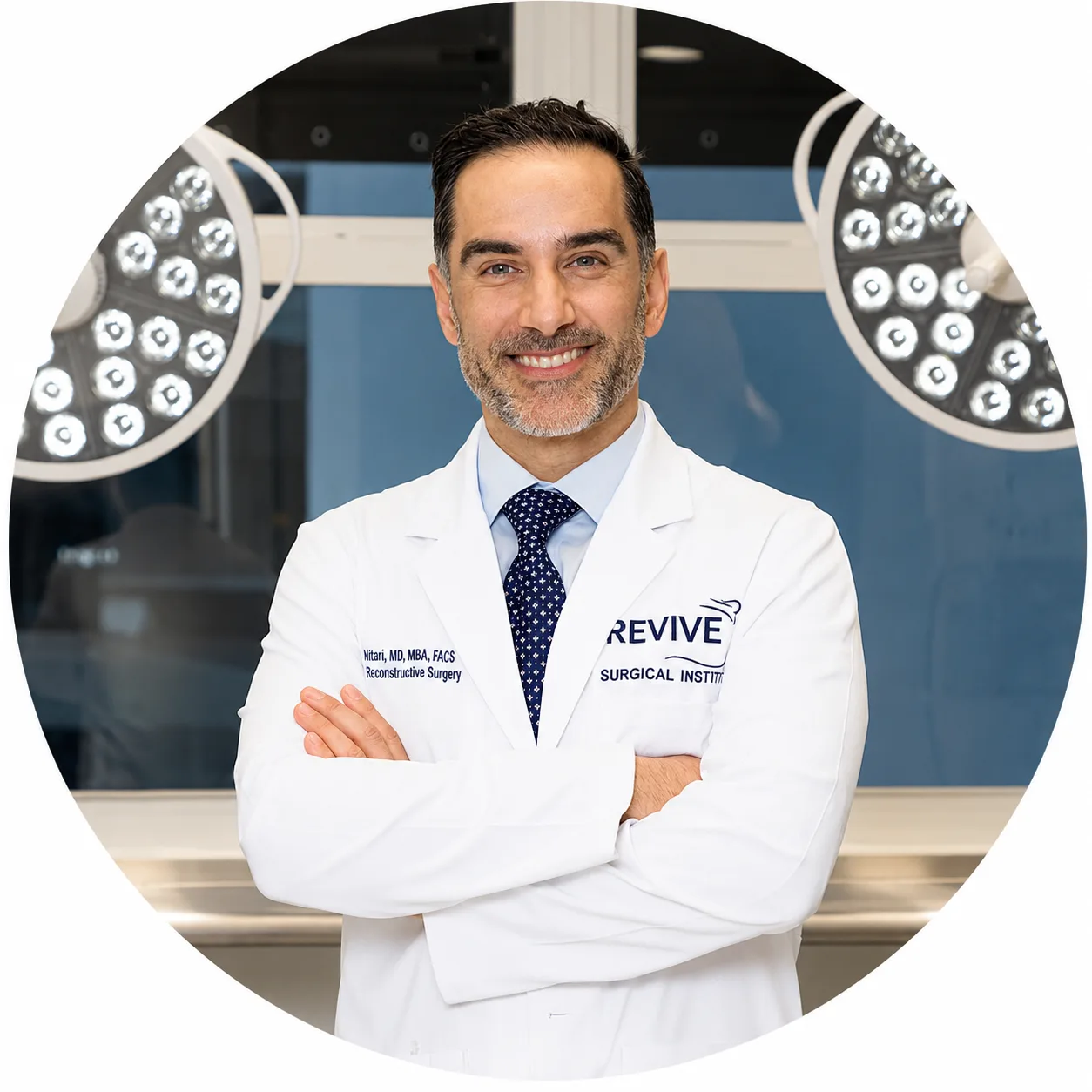
About the Author
Dr. Morad Askari, MD, MBA, FACS
August 25, 2026