Most patients return to desk work within one to two weeks after FTM top surgery. Most resume full exercise around six to eight weeks, and see their final chest contour between six and twelve months. Recovery moves in clear stages. The first week is about rest and drain care. Weeks two through six bring growing independence. The months that follow are when swelling settles and scars fade. This article, FTM Top Surgery Recovery: Key Stages and Tips, covers what happens in each stage and the steps that help you heal well.
Our surgical team performs FTM Chest Surgery and FTM Chest Contouring. Our surgery center holds QUAD A certification. The guidance below reflects how we prepare patients for the weeks after surgery. Your own surgeon’s instructions always come first.
Understanding FTM Top Surgery Recovery
Recovery after top surgery is a process with predictable milestones. Knowing those milestones ahead of time makes each week easier to plan.

What to Expect After Surgery
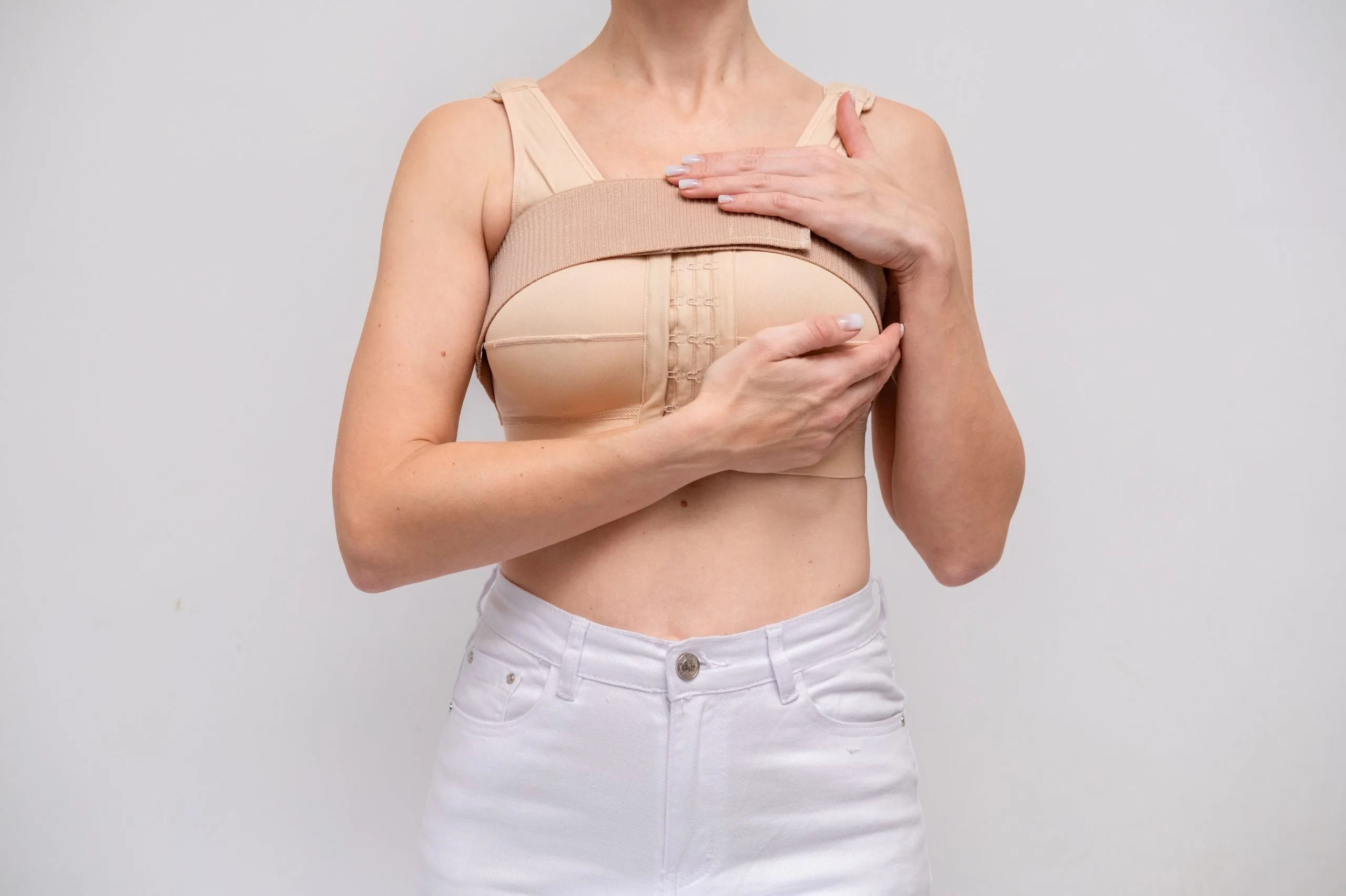
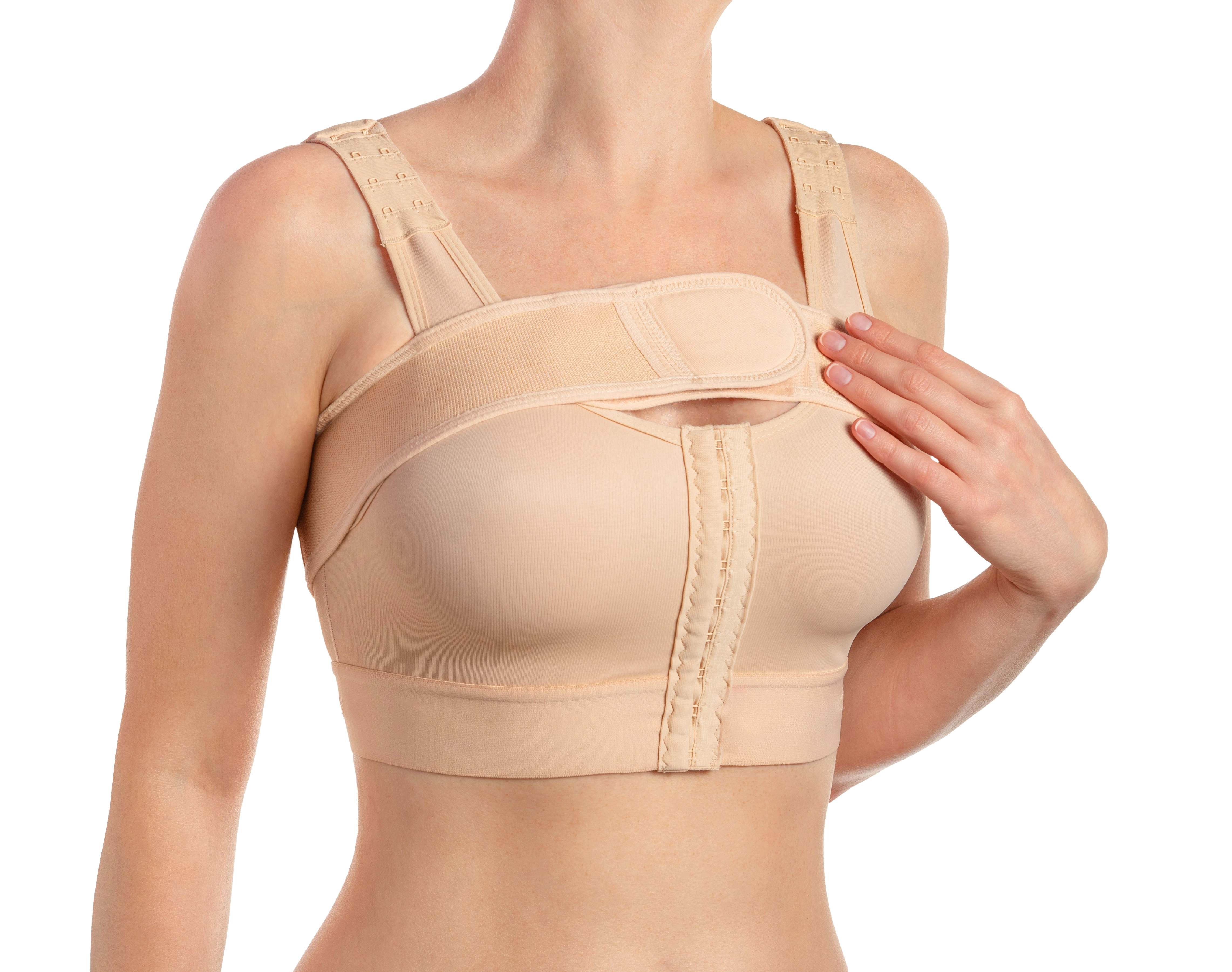
You will wake up wearing a compression vest or binder over your chest. Most patients have surgical drains, which are thin tubes that carry extra fluid away from the chest. If your surgery included free nipple grafts, small dressings will sit over each graft site.
Expect tightness across the chest, soreness, and fatigue for the first several days. Many patients describe the feeling as a heavy, snug pressure rather than sharp pain. Your arm movement will be limited. You will need help with basic tasks for the first few days.
Emotionally, many patients feel relief the moment they look down. Others feel overwhelmed by swelling and bandages. Both reactions are common.
How Long Recovery Takes
Recovery happens in layers:
First week: Rest, drain care, and limited arm movement.
Weeks 2 to 3: Drains are usually out, and daily tasks get easier.
Weeks 4 to 6: Most normal routines return, with limits on heavy lifting.
Months 2 to 3: Swelling continues to drop and the chest shape becomes clearer.
Months 6 to 12: Scars mature and final results come into view.
Initial healing takes about six weeks. Full healing, including scar maturity, can take a year or more.
Factors That Affect Recovery Time
Several things shape how quickly you heal:
Surgical technique. Double incision surgery with nipple grafts involves longer incisions and graft care. Smaller techniques often have shorter recovery.
Chest size and skin quality. Larger chests and looser skin usually mean more tissue removed and more swelling.
Overall health. Healthy eating, good sleep, and stable health conditions support faster healing.
Smoking and nicotine use. Nicotine narrows blood vessels and slows healing, especially for nipple grafts.
Following instructions. Patients who limit arm use and wear compression as directed tend to heal more smoothly.
Hormone therapy. Your surgeon may give specific guidance about testosterone around your surgery date.
Individualized Recovery Considerations
No two recoveries look the same. A patient with a smaller chest may feel ready for light activity sooner than someone with a larger one. Your surgical plan, your job, and your support at home all affect your timeline.
Some patients combine chest surgery with FTM Abdominal Contouring or liposuction of nearby areas. Combining procedures can extend recovery and change your activity limits. Our team builds a recovery plan around the specific procedures you choose. We will tell you which milestones apply to you.
Preparing for a Smooth Recovery
Good preparation lowers stress after surgery. It also helps you avoid movements that strain your incisions.
How to Prepare Your Recovery Space
Set up your home before surgery day:
Sleep setup. You will sleep on your back with your upper body raised for several weeks. A recliner or a wedge pillow makes this easier.
Everyday items at waist level. Move dishes, snacks, toiletries, and clothes to counters or low shelves. Reaching overhead is off limits early on.
Button-up or zip-front shirts. Pulling a shirt over your head is hard in the first weeks. Front-opening tops save strain.
Easy meals. Stock simple, nutritious foods or prepare meals ahead of time.
Comfort items. Keep chargers, a water bottle with a straw, and entertainment within reach.
Drain supplies. Have a lanyard or drain belt ready so drains do not pull while you move.
Patients traveling from outside Coral Gables should plan for a stay near our Coral Gables office for early follow-up visits. Our office is about five miles from Miami International Airport, and we offer special rates at the Marriott Dadeland for extended stays. Our out-of-town page has more travel details.
Steps to Take Before Surgery for Better Healing
The weeks before surgery matter as much as the weeks after:
Stop nicotine. Quit smoking, vaping, and nicotine products as directed by your surgeon. This is especially important for nipple graft healing.
Review your medications. Some medicines and supplements affect bleeding. Share a full list with our team.
Arrange help. Plan for a trusted adult to stay with you for at least the first few days. Many patients need help with meals, drain care, and getting in and out of bed.
Plan time off. Schedule enough leave from work or school based on your job’s physical demands.
Eat well and stay hydrated. Protein and fluids give your body what it needs to repair tissue.
Consider extra support. Our post-op options include private nursing care after surgery and in-office IV therapy. Ask our team which options fit your plan.
FTM Top Surgery Recovery Timeline: Week by Week
Use this timeline as a general guide. Your surgeon may adjust it based on your technique and healing.
The Day of Surgery and First 72 Hours
After surgery, you will rest in recovery until you are stable and ready to go home or to your hotel. A responsible adult must drive you and stay with you.
The first three days are the most demanding. Expect:
Chest tightness and soreness that is strongest in the first 48 hours
Fatigue and grogginess from anesthesia
Drains that need emptying and recording several times a day
Very limited arm movement
Focus on rest, fluids, and pain medicine on schedule. Get up and walk short distances around your home several times a day. Walking helps circulation and lowers stiffness. Keep your elbows close to your sides.
Some surgical plans include Exparel, a long-acting numbing medicine placed during surgery. When used, it can ease pain in the first few days. Your surgeon will discuss whether it fits your plan.
Week 1: Swelling, Drains, and Limited Motion
Swelling and bruising usually peak during the first week. Your chest may look puffy or uneven. This is normal and does not reflect your final result.
During this week:
Keep your compression on. Wear your vest or binder at all times unless told otherwise.
Track drain output. Write down the amount of fluid each time you empty the drains. Your surgeon uses these numbers to decide when drains come out.
Limit arm use. Keep your elbows at your sides and avoid lifting anything heavier than a light cup or phone.
Keep walking. Short, frequent walks help healing.
Most patients have their first follow-up visit around the end of the first week. Drains are often removed at this visit if output has dropped. If you had nipple grafts, the graft dressings are often removed around this time as well.
Weeks 2 to 3: Gaining Independence
With drains out, most patients feel a big jump in comfort and freedom. You can shower more easily and move around with less hassle.
During weeks two and three:
Pain usually shifts from soreness to tightness and occasional twinges.
Many patients return to desk work, remote work, or school.
Light household tasks become possible, but heavy lifting is still off limits.
Walking can gradually increase in length.
Compression continues as directed.
Fatigue may linger. Your body is still using a lot of energy to heal, so plan for rest breaks.
Weeks 4 to 6: Returning to Routine Activities
This stage feels close to normal for many patients. You will likely:
Gain more arm range, often including reaching above shoulder height with your surgeon’s approval
Begin light lower-body exercise such as stationary cycling or brisk walking
Drive again once you are off prescription pain medicine and can turn and react freely
Sleep more comfortably, though back sleeping usually continues
Swelling continues to drop, and your chest shape becomes easier to see. Avoid heavy lifting, pushing, and pulling until your surgeon clears you, usually around week six.
Months 2 to 3: Contour Refinement and Scar Evolution
By two months, most patients are cleared for full activity, including upper-body strength training. Return to it slowly.
During this phase:
Residual swelling continues to fade, especially near the lower chest and sides.
Scars often look pink, red, or slightly raised. This is part of normal scar maturity.
Sensation may begin to change, with tingling or zinging feelings as nerves recover.
Scar care becomes the main daily task.
Many patients start to feel at home in their new chest during this stage.
Months 3 to 6 and Beyond: Final Results and Long-Term Healing
From three months onward, changes are slower but still real. Scars gradually flatten and fade in color. The chest skin settles and the contour becomes more defined.
Most patients see near-final results by six months. Scars can keep improving for 12 to 18 months. Continue sun protection and scar care through this whole period.
Incision, Scar, and Nipple Graft Care
How you care for your incisions affects how your scars look for years. These steps matter.
Incision Care in the First Weeks
In the first weeks after surgery:
Keep incisions clean and dry as instructed.
Leave surgical tape or skin glue in place until it falls off or your surgeon removes it.
Do not soak incisions in a bath, pool, or hot tub until your surgeon approves.
Do not apply lotions, creams, or ointments unless directed.
Wear compression as instructed to support the skin and limit swelling.
Avoid stretching movements that pull on the incision lines.
Mild itching is common as incisions heal. Do not scratch. Tell our team if itching becomes hard to manage.
Long-Term Scar Management
Once incisions are fully closed, usually several weeks after surgery, you can begin active scar care with your surgeon’s approval. Common steps include:
Silicone sheets or gel. These are the most widely used scar products. Use them daily for several months.
Scar massage. Gentle massage once cleared can soften scar tissue.
Sun protection. UV exposure can darken scars for good. Cover your chest or use broad-spectrum sunscreen for at least the first year.
Patience. Scars often look their worst around two to three months before improving.
For patients who want more help, our scar management services include laser options and keloid treatment. These are usually considered after scars have had time to mature.
Nipple Graft Care and Healing
If your surgery included free nipple grafts, the grafts need extra protection early on:
Keep the graft dressings dry and in place until your surgeon removes them.
Do not press on or rub the grafts.
Avoid nicotine completely, since grafts depend on new blood flow.
Follow ointment and dressing instructions after the first dressings come off.
Grafts often look dark, scabbed, or patchy in the first weeks. The outer layer may peel to reveal lighter or pinker skin underneath. Color usually evens out over several months. Final graft color and shape can take up to a year to settle.
Managing Pain, Sensation, and Other Common Concerns
Physical comfort and emotional health both shape your recovery. Plan for both.
Pain Management Strategies
Most patients report that pain is manageable and improves quickly after the first few days. Helpful steps include:
Take medication on schedule. In the first days, staying ahead of pain works better than waiting until it builds.
Use only approved medicines. Some over-the-counter pain relievers affect bleeding. Ask before taking anything new.
Stay elevated. Sleeping and resting with your upper body raised eases pressure and swelling.
Move gently. Short walks lower stiffness. Avoid sudden arm movements.
Prevent constipation. Pain medicine can slow digestion. Drink fluids and eat fiber.
Most patients move from prescription medicine to over-the-counter options within the first week.
Regaining Sensation After Top Surgery
Numbness across the chest is expected after surgery. Nerves in the area are affected during tissue removal, and they recover slowly.
Many patients notice:
Numbness in the first weeks and months
Tingling, itching, or brief zinging sensations as nerves wake up
Gradual return of feeling over months to a year or longer
Patients with nipple grafts often have less nipple sensation than before, and this may not fully return. Techniques that keep the nipple attached may preserve more feeling. Your surgeon can explain what to expect based on your plan.
Managing Gender Dysphoria During Recovery
Recovery can bring strong emotions. Swelling, bandages, and drains may hide the chest you have waited for. Some patients feel dysphoria when their chest looks uneven or puffy in the early weeks.
Ways to cope:
Remember the timeline. Early swelling is temporary. Your chest will keep changing for months.
Lean on your support system. Friends, family, partners, or a therapist can help during low moments.
Limit comparisons. Other people’s recovery photos reflect different bodies and techniques.
Mark progress. Taking private weekly photos can help you see changes that are hard to notice day to day.
Plan for post-surgery blues. Low mood after anesthesia and major life changes is common. Reach out for support if it lingers.
If you work with a therapist, consider scheduling sessions during your first weeks of recovery.
Activity and Lifestyle During Recovery
Clear activity limits protect your incisions and support a smooth chest contour. These are general guidelines. Follow the specific timeline your surgeon gives you.
Showering After Top Surgery
Many surgeons allow sponge baths only until drains are removed. Once drains are out, most patients can shower. Keep these points in mind:
Use lukewarm water rather than hot water.
Let water run over the chest without scrubbing incisions or grafts.
Pat the area dry with a clean towel.
Put your compression garment back on right after.
Have someone nearby for your first shower in case you feel lightheaded.
Baths, pools, and hot tubs usually wait until incisions are fully healed.
Sleeping on Your Side or Stomach
Plan to sleep on your back with your upper body raised for about four to six weeks. Side sleeping often returns around four to six weeks with your surgeon’s approval. Stomach sleeping usually comes later, once incisions are strong and pressure on the chest no longer causes discomfort.
Pillows placed along your sides can keep you from rolling over at night.
What to Wear During Recovery
Your compression vest or binder is the most important item in your recovery wardrobe. It supports the skin, limits swelling, and helps shape the chest. Most patients wear it around the clock for several weeks, then for part of the day as directed.
Other clothing tips:
Choose loose, front-opening shirts in soft fabrics.
Pick pants with elastic waists for easy dressing.
Wear slip-on shoes so you do not need to bend and tie laces.
Do not wear a chest binder in place of your surgical compression garment unless your surgeon approves it.
Lifting Your Arms and Upper Body Movement
Arm limits protect your incisions from tension. A common guide:
Weeks 1 to 2: Keep elbows near your sides. Raise arms only to about chest height for eating and grooming.
Weeks 3 to 4: Gradually increase range as comfort allows, staying below shoulder height unless cleared.
Weeks 4 to 6: Most patients are cleared to reach overhead gently.
Avoid lifting anything heavier than a light grocery bag for the first several weeks. Do not push yourself up from bed or a chair with your arms. Roll to your side and use your legs instead.
Exercise and Physical Activity Timeline
Exercise returns in steps:
Day 1 onward: Short, gentle walks.
Weeks 2 to 3: Longer walks at a relaxed pace.
Weeks 4 to 6: Light lower-body cardio such as a stationary bike or brisk walking, if cleared.
Weeks 6 to 8: Gradual return to running, lower-body strength work, and light upper-body exercise.
After 8 weeks: Full upper-body training, including chest presses and pull-ups, with your surgeon’s approval.
Start any new activity at low intensity. Stop if you feel pulling at your incisions.
Returning to Work
Your return depends on your job:
Desk or remote work: Often one to two weeks.
Jobs with light activity: Often two to four weeks.
Physical jobs with lifting, reaching, or pushing: Usually six weeks or more.
Plan for fatigue in your first days back. A shorter schedule or flexible hours can help.
Tattooing Your Chest
Many patients want chest tattoos or nipple-areola tattoos after surgery. Most surgeons recommend waiting until scars are fully mature, often about 12 months. Tattooing over healing tissue can affect both the scar and the tattoo. Ask your surgeon to check your scars before booking.
Top Surgery Recovery Tips for Faster Healing
Small daily habits make a large difference in how you heal.
Follow Post-Op Instructions Carefully
Your written instructions are designed for your specific procedure. Follow them even on days you feel good. Overdoing it in the first weeks can increase swelling and strain your incisions. Our post-op care page offers additional general guidance for our surgical patients.
Prioritize Rest and Nutrition
Healing takes energy. Support it by:
Sleeping seven to nine hours each night and resting during the day
Eating protein at every meal, such as eggs, fish, beans, chicken, or yogurt
Including fruits and vegetables for vitamins that help tissue repair
Drinking plenty of water
Limiting salty processed foods that can increase swelling
Avoid Smoking and Alcohol
Nicotine reduces blood flow to healing tissue, which matters even more with nipple grafts. Avoid cigarettes, vapes, nicotine gum, and patches before and after surgery for as long as your surgeon advises.
Alcohol can increase swelling and interact with pain medicine. Avoid it while taking prescription medication and during early healing.
Attend All Follow-Up Appointments
Follow-up visits let your surgeon check drains, grafts, incisions, and swelling. They also give you a chance to ask questions and get cleared for new activities. Keep every appointment, even if you feel fine.
Some patients also benefit from lymphatic massage therapy to help with swelling. Only begin it if your surgeon recommends it for your recovery.
Warning Signs and When to Call Your Surgeon
Most recoveries follow the timeline above. Still, you should know when to reach out. Contact our team right away if you notice:
A sudden increase in swelling, firmness, or pain on one side of the chest
A fever or chills
Redness, warmth, or drainage that spreads or changes color
A bad smell coming from an incision or drain site
Nipple grafts that turn very dark or look different from what your instructions describe
Drain output that suddenly rises or changes in color
For chest pain, trouble breathing, or swelling in one leg, call 911. When in doubt, call our team. It is always better to ask.
Seeing Your Final Results
Most patients see a clear improvement once early swelling goes down, usually by four to six weeks. Near-final contour often appears around three to six months. Final results, including scar maturity and settled nipple position and color, generally arrive between 6 and 12 months. Scars can keep improving for up to 18 months.
Your results depend on your body, your technique, and how closely you follow your recovery plan. Patience during this period pays off.
Conclusion
The core message of FTM Top Surgery Recovery: Key Stages and Tips is that recovery happens in clear phases. The first week centers on rest, drains, and compression. Weeks two through six bring a gradual return to work, driving, and light exercise. Months two through twelve are when swelling fades, scars mature, and your final chest contour appears. Preparing your home, protecting your incisions and grafts, avoiding nicotine, and attending every follow-up visit all support healing. Our team in Coral Gables, FL builds each recovery plan around the patient’s own procedure and goals.