How to Choose a Plastic Surgeon: What Patients Should Know
Choosing the right surgeon for your transformation is one of the most important decisions you’ll make in your aesthetic journey. Selecting a qualified plastic surgeon requires a careful evaluation of their credentials, experience, safety record, and artistic ability to deliver results that align with your vision. The right choice can mean the difference between a successful outcome that enhances your confidence and a disappointing experience that requires corrective procedures.

Why Board Certification Matters for Cosmetic Surgery
Board certification is the gold standard for surgical competence and should be your first checkpoint when evaluating potential surgeons. A board-certified plastic surgeon has completed rigorous training, passed comprehensive examinations, and demonstrated proficiency in their specialty. This credential isn’t just a formality – it represents years of dedicated education and hands-on experience.
The American Board of Plastic Surgery (ABPS) is the only board recognized by the American Board of Medical Specialties for plastic surgery certification. Surgeons who hold this certification have completed at least six years of surgical training after medical school, including dedicated years focusing specifically on plastic surgery techniques. They must also maintain their certification through continuing education and periodic recertification exams.
Be wary of misleading terminology. Some practitioners may call themselves “cosmetic surgeons” without holding proper plastic surgery certification. While these doctors may be board-certified in other specialties, such as dermatology or otolaryngology, they may not have the comprehensive surgical training specific to plastic surgery procedures. Always verify that your surgeon is certified by the ABPS.
Finding the Best Plastic Surgeon: Key Credentials
Beyond board certification, several other credentials and qualifications separate exceptional surgeons from the rest:
Hospital privileges: Even if your cosmetic procedure will be performed in an outpatient facility, your surgeon should maintain operating privileges at an accredited hospital. This requirement ensures they’ve been vetted by a credentialing committee and can handle complications if they arise.
Specialized training: Ask about fellowship training or additional certifications in the specific procedure you’re considering. For example, a surgeon specializing in facial procedures may have completed a fellowship in craniofacial surgery.
Professional memberships: Membership in organizations such as the American Society of Plastic Surgeons (ASPS) or the American Society for Aesthetic Plastic Surgery (ASAPS) demonstrates a commitment to ethical practices and continuing education.
Facility accreditation: Ensure that any surgical center is accredited by recognized organizations, such as the American Association for Accreditation of Ambulatory Surgery Facilities (AAAASF) or the Joint Commission.
Understanding Your Cosmetic Procedure Options
Different cosmetic procedures require different skill sets. A surgeon who excels at breast augmentation may not be the best choice for facial reconstruction or body contouring. Before selecting a surgeon, educate yourself about your desired cosmetic procedure – understand the techniques involved, typical recovery time, and potential complications.
Research the various approaches to your procedure. For instance, breast augmentation can be performed through different incision locations and with implants placed above or below the muscle. A knowledgeable surgeon should discuss these options with you and explain why they recommend a particular approach for your anatomy and goals.
What to Expect from a Board-Certified Plastic Surgeon
A qualified surgeon will prioritize your safety and informed consent above all else. During your interactions, you should expect:
Honest communication: The right surgeon will be candid about what can and cannot be achieved through surgery. They’ll discuss realistic expectations, potential risks, and alternative treatments that might better serve your goals. If a surgeon guarantees perfect results or dismisses your concerns, consider that a red flag.
Comprehensive medical evaluation: Your surgeon should conduct a thorough review of your medical history and perform a physical examination. They need to understand any underlying health conditions, medications, allergies, and previous surgeries that could impact your procedure or recovery.
Detailed explanations: You should leave consultations with a clear understanding of the surgical technique, anesthesia plan, recovery process, and follow-up care. Never feel rushed or pressured into making a decision.
Evaluating a Cosmetic Surgeon's Track Record
Experience matters tremendously in surgical outcomes. A surgeon who regularly performs your desired procedure will have refined techniques and developed strategies for handling complications. Ask direct questions about their experience:
How many times have they performed this specific procedure?
What is their complication rate?
How do they handle complications if they occur?
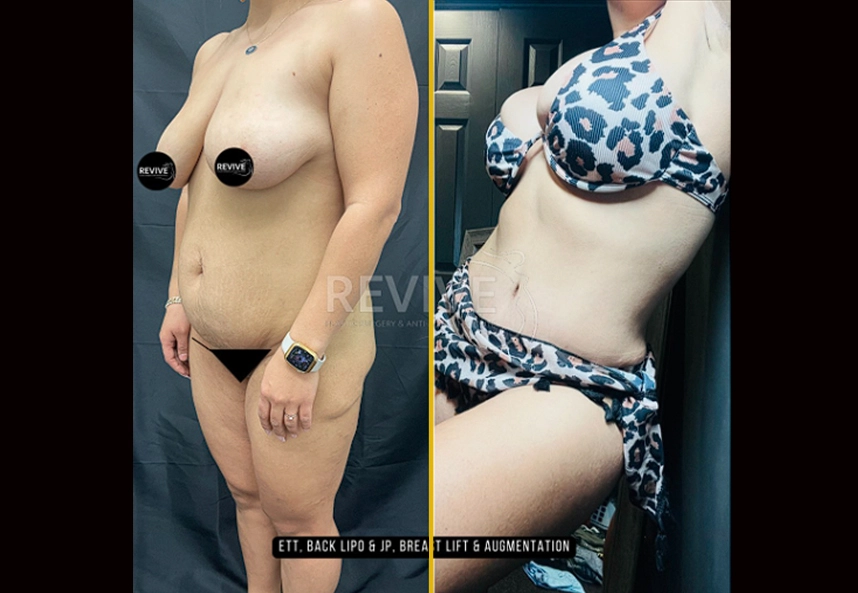
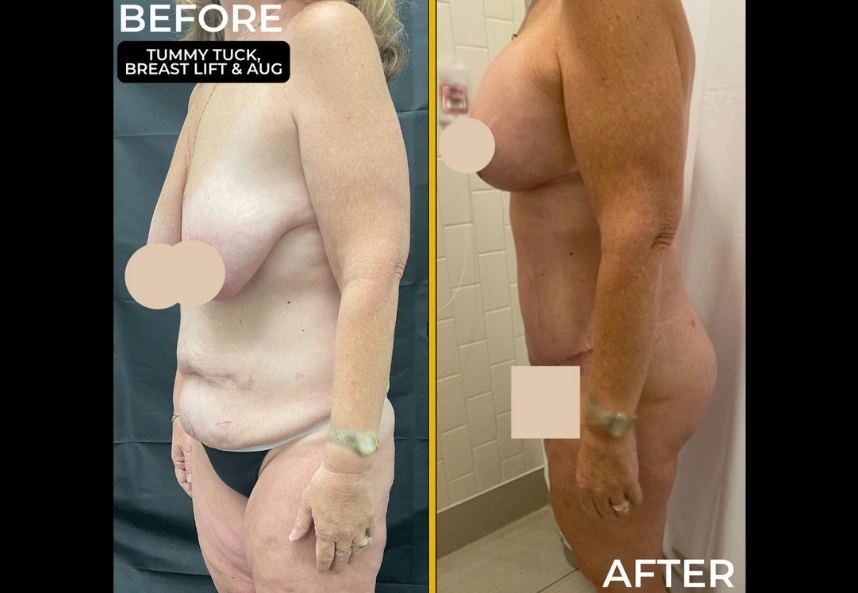
Can they provide before-and-after photos of previous patients?
Setting Your Consultation Schedule Strategically
Don’t settle for meeting with just one surgeon. Schedule consultations with at least three qualified candidates to compare their approaches, recommendations, and personalities. This comparison shopping allows you to:
Identify consistent recommendations across multiple experts
Recognize when one surgeon’s advice stands out as unusual
Find a communication style that makes you comfortable
Compare pricing and payment options
Get a sense of different surgical philosophies
During each consultation, pay attention to how the surgeon and their staff make you feel. Are they respectful of your time? Do they listen to your concerns? Is the office clean and well-organized? These details reflect the overall quality and professionalism of the practice.
Assessing the Surgeon's Aesthetic Sense and Portfolio
Technical skill is essential, but cosmetic surgery is also an art form. Evaluating a surgeon’s aesthetic sense is crucial to achieving results that align with your vision. Review their before-and-after photo gallery carefully, looking for patients with similar characteristics to yours – same procedure, similar age, comparable body type, or facial features.
Pay attention to the aesthetic outcomes. Do the results look natural, or do they appear overdone? Can you identify subtle improvements that enhance a person’s appearance rather than dramatically alter it? The photos should represent the surgeon’s actual work, not stock images or results from other practitioners.
Consider bringing reference photos to your consultation showing results you admire. A skilled surgeon can explain what’s achievable for your unique anatomy and may offer alternative suggestions based on their experience and artistic judgment. However, remember that every person’s body is different, and exact replication isn’t possible or even desirable.
The Importance of Specialty Focus
While all board-certified plastic surgeons receive comprehensive training, many develop particular expertise in certain areas. Some focus primarily on facial procedures like rhinoplasty or facelifts. Others specialize in body contouring, breast surgery, or reconstructive work.
A surgeon who performs your desired procedure frequently – ideally multiple times per week – will likely deliver superior results compared to someone who performs it occasionally. Don’t hesitate to ask what percentage of their practice is devoted to your specific procedure.
Red Flags to Watch For
Trust your instincts and be alert to warning signs:
Pressure to commit immediately or excessive sales tactics
Unwillingness to discuss complications or risks
Unclear or evasive answers about credentials
Prices significantly below the market average
Promises of results that sound too good to be true
Poor reviews or complaints with medical boards
Unaccredited surgical facilities
Schedule an Appointment at Revive Plastic Surgery
When you’re ready to take the next step in your plastic surgery journey, our team is here to guide you through every phase of your transformation. Our medical professionals have completed extensive training in the latest surgical techniques and are committed to delivering exceptional results while prioritizing patient safety above all else. Finding the right cosmetic surgeon can feel overwhelming, but our support team makes the process seamless by helping you schedule consultations, answer your questions, and provide the information you need to make an informed decision.
Whether you’re interested in facial rejuvenation or body procedures, our highly trained surgeons bring years of specialized experience to every case. We understand that the surgeon’s experience directly impacts your outcomes, which is why we encourage prospective patients to review our credentials, meet our team, and tour our state-of-the-art facilities before making their choice.
Contact Revive Plastic Surgery today to schedule your confidential consultation and discover how our commitment to excellence, safety, and personalized care can help you achieve the aesthetic goals you’ve been envisioning.
Conclusion
Selecting the right plastic surgeon for your needs requires diligence, but the effort invested in your selection process will pay dividends in your results and satisfaction. The best surgeons in cosmetic medicine aren’t just properly trained in general surgery – they have specialized expertise in procedures ranging from facial rejuvenation to body-contouring procedures, with dedicated teams including board-certified anesthesiologists and certified registered nurse anesthetists to ensure comprehensive care. As you evaluate potential surgeons, examine patient reviews carefully, particularly looking for testimonials from individuals with similar features to yours, and assess whether each surgeon’s portfolio demonstrates mastery of soft tissue manipulation and aesthetic refinement. During consultations, discuss candidly whether you’re a good candidate for your desired procedure and ensure the surgeon understands your unique aesthetic goals.
Your final decision should feel confident and well-informed, based on a thorough evaluation of credentials, experience, results, and that intangible sense of trust that develops when you find a surgeon who truly listens to your concerns. Take your time, ask questions, and don’t compromise on quality or safety when it comes to something as important as your body and well-being. The journey to finding the right surgeon may require patience, but choosing wisely sets the foundation for a successful outcome and a positive surgical experience from start to finish.