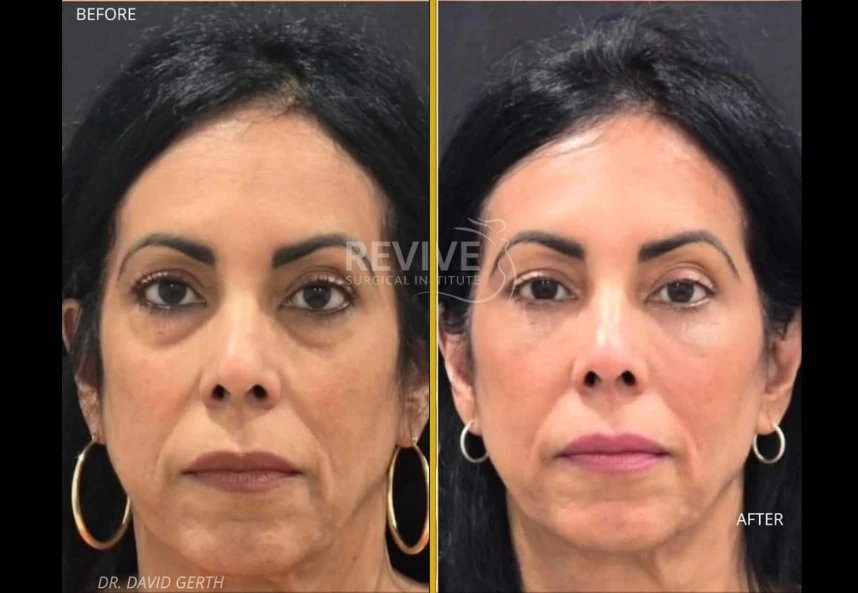
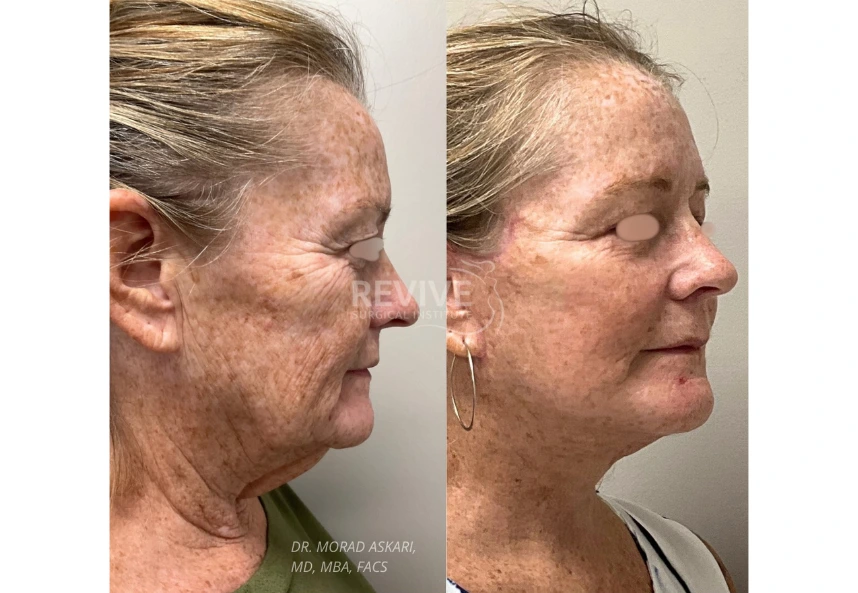
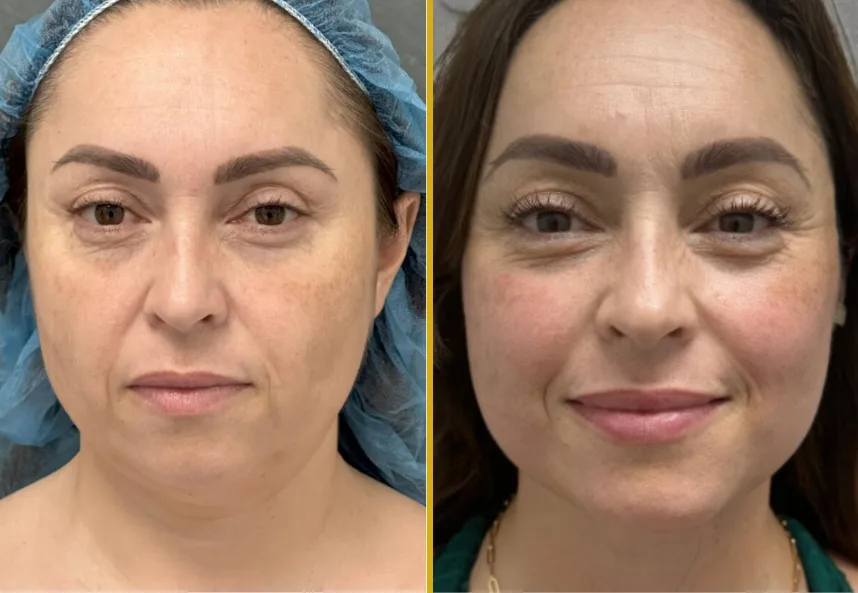
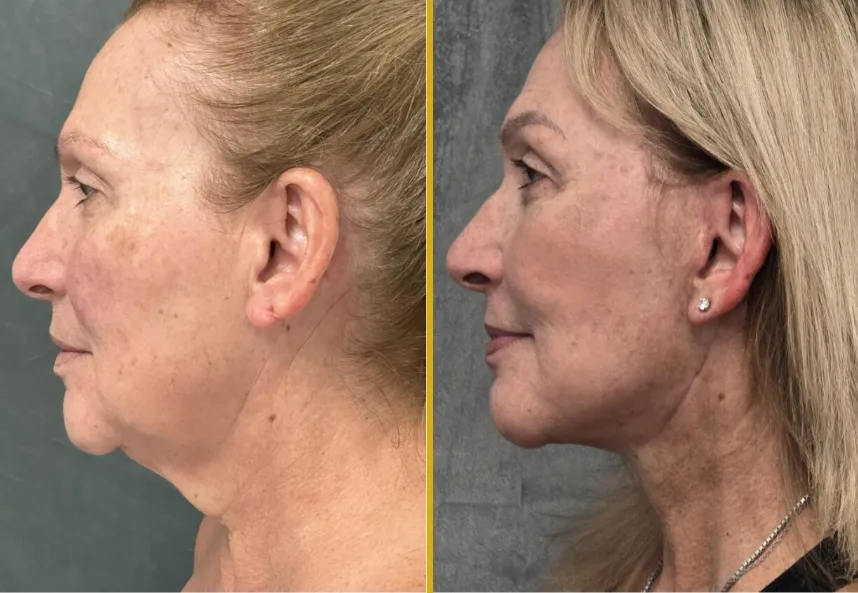
What to Expect During a Lip Lift Recovery? Tips for Faster Healing
If you’re considering or have recently undergone a lip lift, understanding what lies ahead during recovery is essential for achieving optimal results. The typical lip lift recovery takes about two weeks for initial healing, though complete recovery can span several months. During the first week, you’ll experience swelling, bruising, and tightness around your upper lip, with most patients returning to work and light activities by day 10-14. The key to faster healing lies in following proper wound care, avoiding strenuous activities, keeping your head elevated, staying hydrated, and attending all scheduled follow-up appointments with your surgeon.

Understanding the Lip Lift Procedure
Before diving into recovery specifics, it’s helpful to understand what happens during the lip lift procedure itself. This surgical technique shortens the distance between the base of the nose and the top of the upper lip, creating a fuller, more youthful appearance. Your facial plastic surgeon makes a small incision along the base of the nose, removes a precise amount of skin, and then carefully sutures the area to lift the lip upward.
The procedure typically takes 45 minutes to an hour under local anesthesia with sedation or general anesthesia. Because the incision is strategically placed in the natural crease where the nose meets the face, scarring becomes virtually invisible once fully healed. Understanding this process helps you appreciate why certain aftercare steps are crucial for optimal results.
The First 48 Hours: Early Recovery
The first two days following your facial plastic surgery are the most critical for establishing the foundation for proper healing. Immediately after your procedure, you’ll notice significant swelling and tightness in your upper lip area. This is completely normal and expected. Your surgeon will apply surgical tape or bandages to the incision site, which should remain undisturbed unless instructed otherwise.
During these first 48 hours, keep your head elevated at all times – even while sleeping. Use two or three pillows to prop yourself up at a 45-degree angle. This positioning reduces blood flow to the surgical area, minimizing swelling and bruising. Apply cold compresses to the surrounding areas (not directly on the incision) for 15-20 minutes every hour while awake. Ice helps constrict blood vessels and significantly reduces inflammation.
Avoid activities that increase blood pressure, including bending over, lifting heavy objects, and exercise. Even simple tasks like loading the dishwasher should wait. Your body needs to direct all its energy toward healing the incision site rather than supporting physical exertion.
Managing the Healing Process: Weeks 1-4
The first week represents the most visible phase of the healing process. Swelling typically peaks around day three or four, then gradually begins to subside. You may notice bruising extending down toward your upper lip and sometimes even to your chin – this discoloration is temporary and will fade within 7-10 days.
Your surgeon will likely schedule your first post-operative appointment during this week to check your progress and possibly remove any sutures. Some surgeons use dissolvable sutures, while others prefer removable ones, depending on the technique. During this time, maintaining proper hygiene at the incision site is paramount. Gently clean the area with the specific solution recommended by your surgeon, typically twice daily.
Stick to a soft food diet during this week. Foods like smoothies, yogurt, mashed potatoes, scrambled eggs, and soup are ideal. Avoid anything that requires wide mouth opening or excessive chewing, as this can strain the surgical site. Also, avoid extremely hot foods and beverages, as heat can increase swelling.
Long-Term Recovery: Month 2+
By the second month, most of the visible signs of surgery will resolve, and you’ll enjoy your new look with confidence. Residual swelling will continue to diminish gradually, revealing more refined results each week. You can typically resume all normal activities, including vigorous exercise, around week six to eight with your surgeon’s approval. During this phase, the incision will continue to mature and fade, though it may still appear slightly pink. Scar massage and silicone treatments become increasingly crucial during months 2-6 to optimize your final outcome. While you’ll feel nearly back to normal, remember that subtle improvements continue developing until the one-year mark.
Following Your Aftercare Instructions
Your surgeon’s aftercare instructions are your roadmap to successful recovery, and following them precisely cannot be overstated. These instructions are tailored to the specific technique used during your procedure and your individual healing characteristics.
Most aftercare instructions include specific guidelines about wound care, medication schedules, activity restrictions, and signs of complications to watch for. You’ll likely be prescribed antibiotics to prevent infection and pain medication to manage discomfort. Take these exactly as directed, completing the full course of antibiotics even if you feel fine.
Pay special attention to instructions about sun exposure
. Your healing incision site is extremely vulnerable to UV damage, which can cause hyperpigmentation and make the lip lift scar more noticeable. Avoid direct sun exposure for at least six weeks, and when you must be outside, use a broad-spectrum SPF 50+ sunscreen and wear a wide-brimmed hat.
The Importance of Follow-Up Appointments
Follow-up appointments are not optional – they’re essential checkpoints in your recovery journey. These visits allow your facial plastic surgeon to monitor your healing progress, address any concerns, and make adjustments to your aftercare plan if needed.
Typically, you’ll have appointments at 1 week, 1 month, 3 months, and 6 months post-surgery. During these visits, your surgeon will examine the incision site, assess scar formation, and ensure your results are developing as expected. Don’t hesitate to bring up any questions or concerns during these appointments, no matter how minor they seem. Your surgeon has seen thousands of recoveries and can provide reassurance or intervention as needed.
If you notice any signs of infection – such as increased redness, warmth, pus, or fever – contact your surgeon immediately rather than waiting for your next scheduled appointment. Early intervention can prevent complications from becoming serious problems.
Long-Term Healing: What Makes a Lip Lift Permanent
One common question patients ask is whether the results from a lip lift are truly permanent. The answer is yes – unlike dermal fillers that dissolve over time, a lip lift provides permanent structural changes to your facial anatomy. The skin that was removed cannot grow back, meaning your enhanced lip position remains stable indefinitely.
However, understanding that “permanent” doesn’t mean “unchanging” is essential. Your face will continue to age naturally after your procedure. Over the years, you may experience some descent due to normal aging processes, but you’ll always maintain the improved lip-to-nose ratio achieved through surgery. Most patients find their results remain satisfying for decades.
How to Minimize Lip Lift Scars: Caring for the Incision Site
Tips for Optimizing Your Recovery
Beyond standard aftercare instructions, several additional strategies can accelerate your healing:
- Stay hydrated. Drinking plenty of water helps flush out toxins and supports cellular repair. Aim for at least eight glasses daily.
- Optimize your nutrition. Consume foods rich in vitamin C, zinc, and protein, which are essential for wound healing. Consider a multivitamin if your diet is lacking.
- Avoid smoking and alcohol. Both significantly impair healing. Smoking constricts blood vessels, reducing oxygen delivery to healing tissues, while alcohol can increase swelling and interact with medications.
- Be patient with your appearance. Remember that swelling can take months to resolve completely, and your final results won’t be apparent for six months to one year post-surgery.
- Protect your investment. Follow all activity restrictions, even when you feel fine. Premature return to exercise or heavy lifting can cause complications that delay healing.
Schedule Your Facial Plastic Surgery at Revive Surgical Institute
If you’re ready to enhance your appearance and achieve the youthful, balanced results you’ve been dreaming of, Revive Surgical Institute is here to guide you through every step of your transformation. Our experienced team understands that choosing lip lift surgery is a significant decision, and we’re committed to providing personalized care from your initial consultation through complete recovery. We take the time to understand your aesthetic goals, evaluate how the procedure will enhance the relationship between your nose and upper lip, and create a customized treatment plan that delivers natural-looking results tailored specifically to you.
Our Facial Plastic Surgeons Use the Latest Techniques
Our facial plastic surgeons stay at the forefront of surgical innovation, utilizing advanced techniques that optimize your lip shape while minimizing scarring and recovery time. We specialize in creating facial balance through meticulous attention to detail and can seamlessly combine lip lift surgery with other facial rejuvenation procedures when appropriate to achieve comprehensive, harmonious results. Our refined surgical approach and comprehensive aftercare protocols ensure a smooth healing process, allowing you to enjoy your enhanced appearance with confidence and minimal downtime.
Conclusion
Whether you’re considering a subnasal lip lift, bullhorn lip lift, gullwing lip lift, or corner lip lift, understanding the recovery process is essential for achieving the refined lip shape you desire. Unlike temporary lip fillers, a surgical lip lift reshapes your upper lip permanently by removing excess skin through a carefully planned lip lift incision. This surgical procedure offers natural-looking lip enhancement that works with your facial anatomy rather than against it, countering the effects of natural aging while maintaining your unique features. While the recovery process requires patience and dedication, most patients find that prescription pain medication keeps discomfort manageable during the critical first week.
Among many other cosmetic procedures, the surgical lip lift stands out for delivering lasting results that don’t require repeated treatments or maintenance. By choosing experienced surgeons who understand the nuances of different techniques and following your personalized aftercare plan, you set yourself up for a smooth recovery and beautiful outcomes. Cosmetic surgery is an investment in yourself, and understanding what to expect during healing empowers you to navigate each stage with confidence, ultimately revealing the enhanced, youthful appearance you’ve been seeking.