Liposuction vs Non-Surgical Fat Reduction: Which Is Right for You?
You’ve been working out regularly, eating healthier, and making lifestyle changes, but stubborn fat deposits just won’t budge. It’s frustrating when diet and exercise alone can’t give you the body contour you’re looking for. The right choice between surgical and non-surgical fat removal depends on several factors: the amount of fat you want removed, your budget, recovery time constraints, and your tolerance for invasive procedures. While both approaches can effectively reduce unwanted fat, they work in fundamentally different ways and deliver distinct results.

Understanding Traditional Liposuction
Traditional liposuction has been the gold standard for fat removal since the 1970s. This surgical procedure involves making small incisions in the target area and inserting a thin tube called a cannula to physically suction out fat cells. The procedure is performed under general anesthesia or local anesthesia with sedation, depending on the extent of treatment.
The mechanics are straightforward: a surgeon breaks up fat deposits with the cannula and removes them from your body through powerful suction. This direct approach permanently removes fat cells from the treated areas. Once those cells are gone, they can’t grow back, making the results long-lasting as long as you maintain a stable weight.
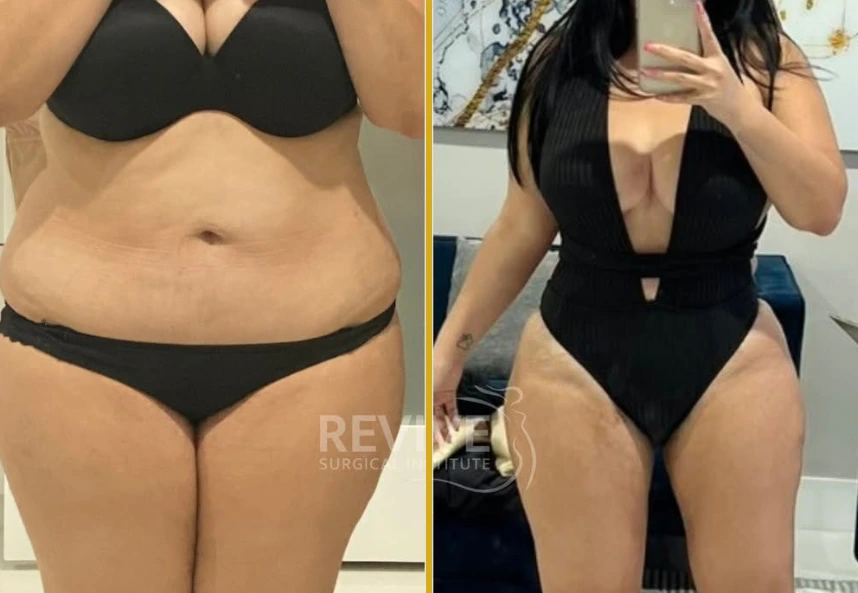
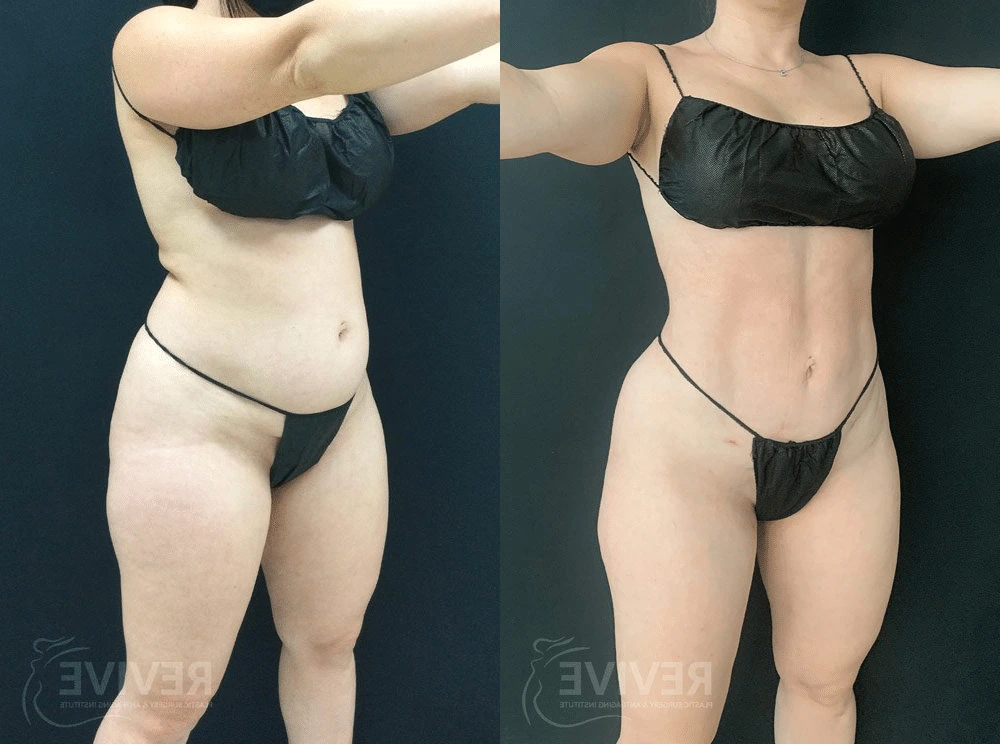
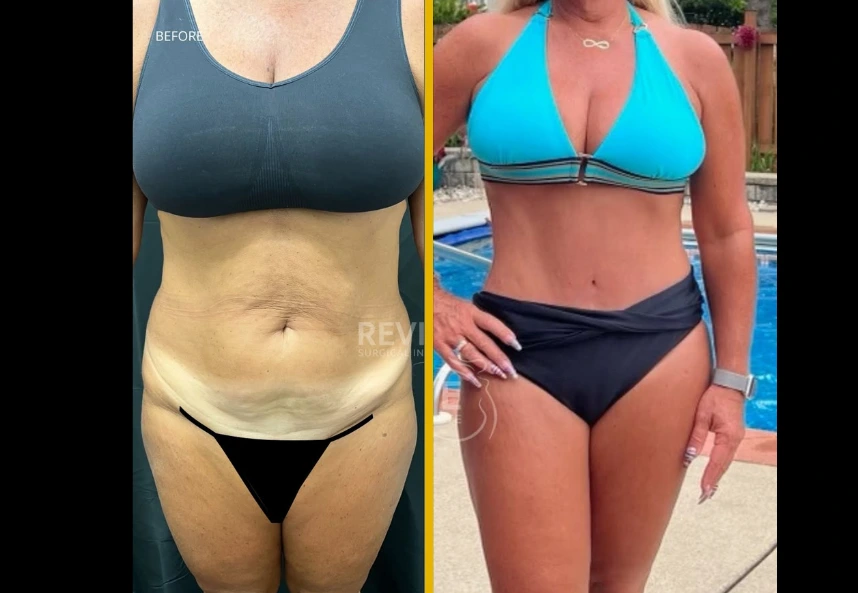
Traditional liposuction can address larger volumes of fat in a single procedure and provides immediate, dramatic results. Common treatment areas include:
- Abdomen and flanks (love handles)
- Thighs and buttocks
- Upper arms
- Back and bra line
- Chin and neck
- Chest area
Recovery typically involves significant downtime. Expect swelling, bruising, and discomfort for several weeks. Most patients need at least one to two weeks off work and must wear compression garments for four to six weeks. Strenuous activities are off-limits for about a month.
Exploring Nonsurgical Fat Reduction Techniques
Nonsurgical fat reduction represents a newer category of treatments that destroy or shrink fat cells without incisions or anesthesia. These technologies have gained immense popularity over the past decade, offering a less intimidating alternative to surgery.
Several different technologies fall under this umbrella:
CoolSculpting (Cryolipolysis): This FDA-approved treatment freezes fat cells, causing them to crystallize and die. Your body then naturally processes and eliminates these dead cells over the following weeks and months. Sessions typically last 35-60 minutes per area.
Laser Treatments (SculpSure, Zerona): These use laser energy to heat and damage fat cells. The body’s lymphatic system gradually removes the disrupted cells. Treatments are quick, usually 25 minutes per area, and painless.
Ultrasound Therapy (UltraShape): High-frequency sound waves target and destroy fat cells mechanically. The treatment is painless and requires no downtime.
Radiofrequency Treatments (TruSculpt, Vanquish): These treatments heat fat cells to the point of destruction while simultaneously tightening the skin. Sessions last about 15-30 minutes.
Weight Loss Injections (semaglutide, tirzepatide): These prescription medications work by regulating appetite, slowing digestion, and improving blood sugar control, which can lead to significant weight loss over time. Unlike device-based fat reduction, injections support overall body weight reduction and are typically part of a medically supervised program.
The major advantage? You can literally have a treatment during your lunch break and return to work immediately. There’s minimal to no downtime, no anesthesia, and no incisions. Most people experience only temporary redness, mild swelling, or numbness in the treated area.
Body Contouring: Comparing Results and Timeline
When it comes to body contouring outcomes, the differences between surgical and non-surgical approaches are significant.
- Traditional liposuction delivers immediate results. Once the swelling subsides after a few weeks, you’ll see a dramatically slimmer silhouette. A single procedure can remove several pounds of fat, fundamentally reshaping your body contours.
- Nonsurgical fat reduction works gradually. Fat cells take time to die and be eliminated by your body’s natural processes. You’ll begin to notice changes around three weeks after treatment, with full results appearing at the two- to three-month mark. The reduction is more subtle – typically about 20-25% fat reduction per treatment area. Many people need multiple sessions spaced several weeks apart to achieve their desired outcome.
Let’s talk about permanence. Both methods permanently eliminate fat cells. However, liposuction removes them all at once, while non-surgical treatments reduce the number of fat cells gradually over time. Remaining fat cells can still expand if you gain weight, so maintaining results requires a healthy lifestyle regardless of which method you choose.
Who Benefits from Non-Surgical Options?
Non-surgical options work best for specific candidates. You’re an ideal candidate if you:
Are within 10-20 pounds of your goal weight
Have small, isolated pockets of stubborn fat
Want subtle refinement rather than dramatic transformation
Cannot take time off for recovery
Prefer to avoid surgery and anesthesia
Are willing to wait several months for full results
Can commit to multiple treatment sessions
These treatments excel at targeting smaller problem areas like under-chin fat, muffin tops, or bra bulge. They’re perfect for people who are generally fit but frustrated with areas that won’t respond to diet and exercise. However, they’re not weight-loss solutions and won’t address skin laxity or significant excess fat.
When a Single Procedure Delivers the Best Results
A single-procedure approach via liposuction makes sense in several scenarios. If you need to remove large volumes of fat from multiple areas, surgery is more efficient and cost-effective than numerous non-surgical sessions over many months.
Consider traditional liposuction if you:
Want to remove more than 5-10 pounds of fat
Need treatment on multiple large areas simultaneously
Desire immediate, dramatic results
Have some skin laxity that could benefit from the skin contraction liposuction triggers
Can afford the recovery downtime
Are comfortable with surgical procedures
Liposuction is particularly advantageous when treating multiple areas at once. During one surgical session, a surgeon can contour your abdomen, flanks, thighs, and arms, achieving comprehensive results that would require dozens of non-surgical appointments over six months to a year.
The single procedure efficiency extends to cost as well. While liposuction has a higher upfront price tag (typically $3,000-$10,000, depending on the areas treated), it’s often more economical than the cumulative cost of multiple non-surgical sessions needed to achieve comparable results.
Final Thoughts: Liposuction vs Non-Surgical Fat Reduction
Both liposuction and non-surgical methods effectively remove excess fat, but emerging technologies are blurring the lines between these categories. Laser liposuction, for instance, is gaining popularity as a hybrid approach where a plastic surgeon moves a small tube containing laser energy beneath the skin, simultaneously removing fat while stimulating collagen production for skin tightening. Similarly, treatments using radiofrequency energy combine the precision of surgical fat removal with enhanced skin benefits.
While traditional liposuction requires a recovery period of one to two weeks, these advanced techniques often involve minimal discomfort and may allow you to resume normal activities immediately or within just a few days. Your body naturally processes metabolic products from destroyed fat cells over time, regardless of the method, but the speed and extent of results vary. Ultimately, the landscape of body contouring continues to evolve, offering more options than ever for removing fat safely and effectively, so consult with qualified professionals to explore all available technologies that might suit your specific needs and goals.