How to Choose Between a Mini‑Facelift and Full Facelift?
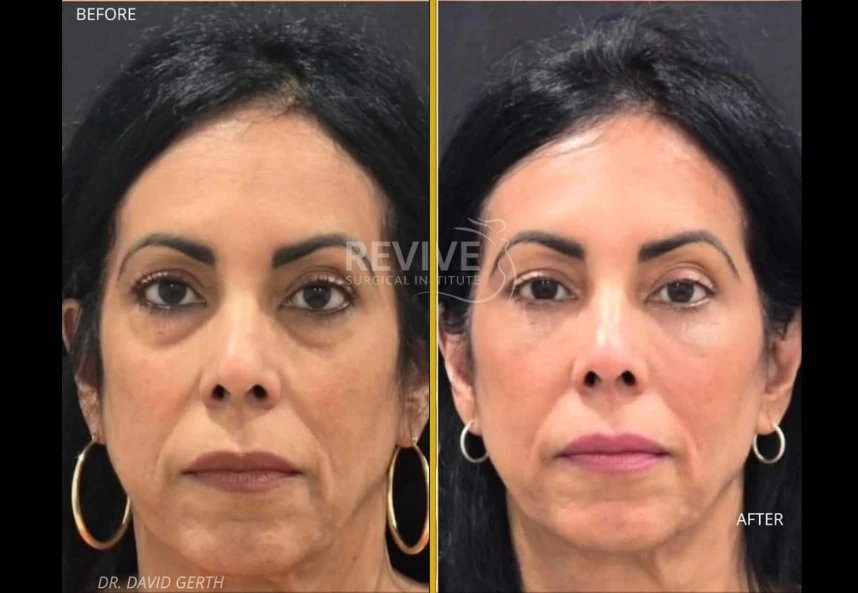
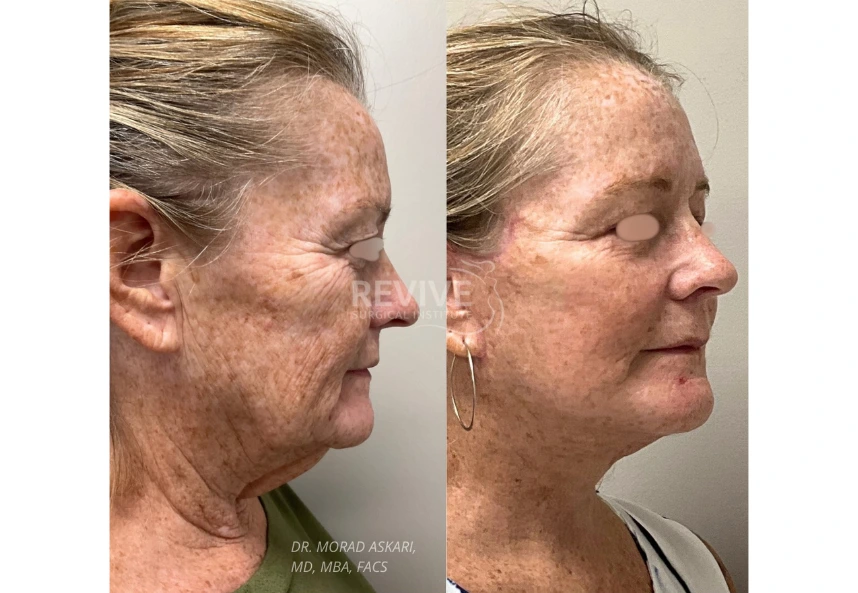
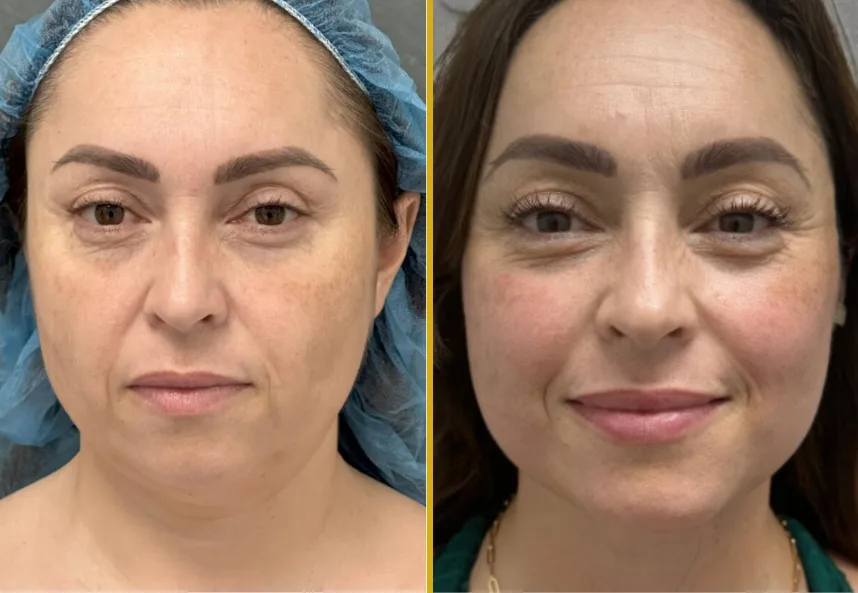
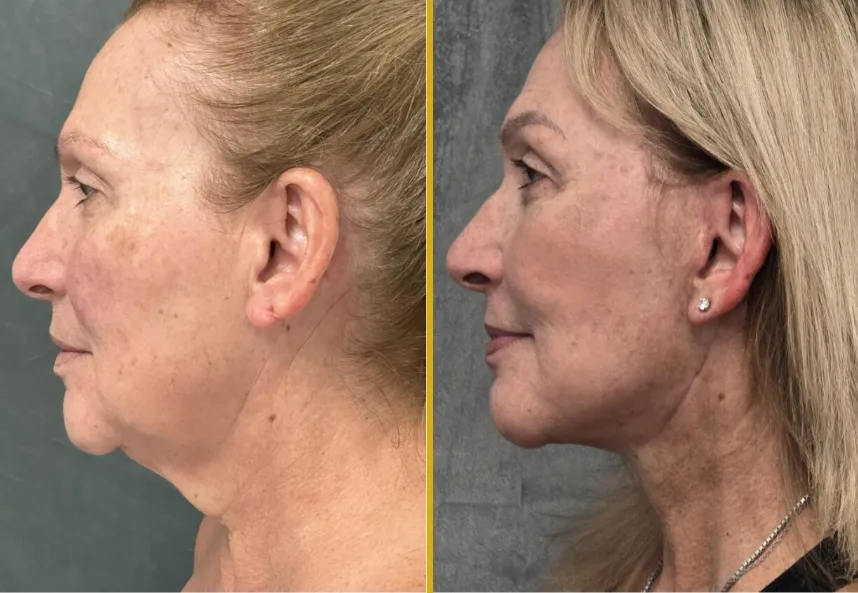
Deciding between a mini-facelift and a full facelift depends primarily on your age, the extent of facial aging you’re experiencing, and your aesthetic goals. Generally, patients in their 40s to early 50s with mild to moderate sagging in the lower face are excellent candidates for a mini-facelift. Those in their mid-50s and beyond with more pronounced jowling, deep wrinkles, and significant skin laxity throughout the face and neck typically benefit more from a full facelift. Understanding the distinct advantages, limitations, and recovery requirements of each procedure will help you make an informed decision that aligns with your expectations and lifestyle.

Understanding the Full Facelift Procedure
A full facelift, also known as a traditional or comprehensive facelift, addresses aging concerns across the entire lower two-thirds of the face and neck. This extensive cosmetic surgery involves incisions that typically begin at the temples, continue down and around the ears, and extend into the hairline at the back of the head. Through these incisions, a surgeon can reposition underlying muscles, remove excess fat, tighten the SMAS layer (the supportive tissue beneath the skin), and trim away surplus skin.
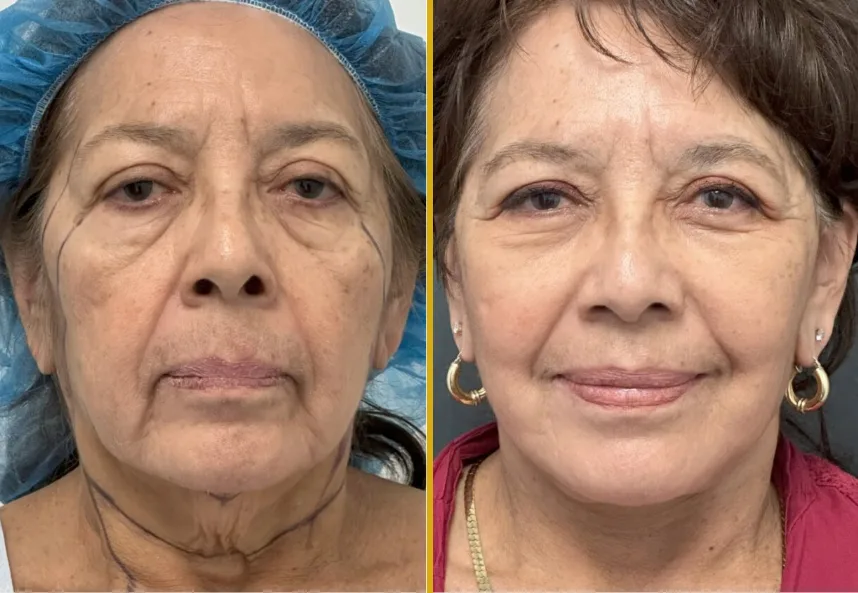
The full facelift procedure delivers comprehensive rejuvenation by correcting deep nasolabial folds, pronounced jowls, sagging cheeks, neck bands, and loose skin throughout the lower face and neck area. Because it addresses multiple layers of facial tissue, the results are typically more dramatic and longer-lasting than less invasive alternatives. Many patients can expect their results to last 10 to 15 years, making this a worthwhile investment for those seeking significant, enduring improvement.
What Is a Mini-Facelift?
A mini-facelift, sometimes called a “weekend facelift” or “limited-incision facelift,” is a less invasive procedure designed to address early signs of aging in the lower face. The incisions are smaller and typically limited to the area around the ears, without extending into the hairline. This approach focuses primarily on the jowls and lower cheeks, providing a subtle lift that creates a more youthful jawline and reduces minor sagging.
This procedure works best for younger patients or those with good skin elasticity who want to address specific, localized concerns without undergoing extensive surgery. The mini-facelift tightens the skin and may involve some work on the underlying tissue, but it doesn’t provide the deep structural support or comprehensive coverage of a full facelift. Results typically last five to seven years, depending on individual factors like skin quality, lifestyle, and genetics.
The Deep Plane Facelift Technique
The deep plane facelift represents an advanced variation of the traditional full facelift. This technique involves lifting and repositioning the deeper layers of facial tissue – specifically, the layer beneath the SMAS – to achieve more natural-looking results with less tension on the skin itself. By working at this deeper level, surgeons can achieve more dramatic improvements in the midface, cheeks, and nasolabial folds while maintaining facial expressions and avoiding the “pulled” appearance sometimes associated with older facelift techniques.
This approach has gained popularity among surgeons because it addresses the root cause of facial aging rather than simply pulling skin tighter. The deep plane technique requires significant surgical skills and typically involves a longer procedure time, but many patients find the natural-looking results worth the additional complexity. Recovery from a deep plane facelift is similar to that of a traditional full facelift.
Pros and Cons of Full Facelift and Mini Facelift
Full Facelift Advantages
The primary advantage of a full facelift is its comprehensive nature. It addresses multiple areas simultaneously, providing dramatic improvement in facial contours, neck definition, and overall youthfulness. The results are long-lasting, making it cost-effective over time. Patients with significant aging concerns can achieve their desired look in a single procedure rather than requiring multiple treatments over the years.
Full Facelift Disadvantages
The main drawbacks include a longer surgery time (typically three to five hours), higher cost, more extensive scarring (though well-hidden), and a longer recovery period. There’s also a slightly higher risk of complications compared to less invasive procedures. Some patients may feel the results look too dramatic immediately after surgery, though this settles into a more natural appearance as healing progresses.
Mini-Facelift Advantages
A mini-facelift offers a quicker procedure (usually one to two hours), a faster recovery, less scarring, a lower cost, and a reduced risk of complications. It’s ideal for patients who want subtle improvement without the downtime associated with major surgery. Many people appreciate that they can return to work and normal activities within one to two weeks.
Mini-Facelift Disadvantages
The limited scope means it doesn’t address the neck, midface, or more advanced aging concerns. Results are more subtle and don’t last as long as a full facelift. Patients with significant sagging or poor skin elasticity may be disappointed with the limited improvement. Eventually, many mini-facelift patients find they need additional procedures to maintain their results.
Ideal Candidates for Each Cosmetic Surgery Option
The ideal mini-facelift candidate is typically between 40 and 55 years old with good skin elasticity, mild to moderate jowling, and minimal neck sagging. These patients have realistic expectations for subtle improvement and are seeking a procedure with minimal downtime. Good overall health, non-smoking status, and specific concerns limited to the lower face make someone an excellent candidate for this approach.
Full facelift candidates are generally 50 years and older with more pronounced signs of aging, including significant jowls, deep wrinkles, substantial neck sagging, and loss of facial volume. These patients want comprehensive, long-lasting results and are willing to commit to a longer recovery period. They should be in good health, have realistic expectations, and understand the commitment involved in major cosmetic surgery.
Facelift Recovery Timeline
Understanding the recovery process helps set realistic expectations and plan accordingly.
- For a mini-facelift, initial swelling and bruising typically subside within one to two weeks. Most patients return to work after 7 to 10 days and resume exercise after 3 weeks. Final results become apparent after about three months, once all swelling has resolved.
- Full facelift recovery takes longer. Expect significant swelling and bruising for the first two weeks, with most patients taking 2-3 weeks off work. Strenuous activities should be avoided for four to six weeks. While you’ll see improvement immediately, final results take 3-6 months to develop as tissues settle and residual swelling disappears.
During recovery from either procedure, following your surgeon’s instructions is crucial. This includes keeping your head elevated, avoiding blood-thinning medications, protecting incision sites, and attending all follow-up appointments. Most patients report that discomfort is manageable with prescribed pain medication, and the results are well worth the temporary inconvenience.
Receive Your Full or Mini Facelift at Revive Surgical Institute
Our board-certified plastic surgeons specialize in a full range of cosmetic procedures designed to help you achieve your aesthetic goals with confidence and care. Whether you’re considering mini facelift surgery to address early visible signs of aging or require a more invasive procedure for more comprehensive facial rejuvenation, our team has the skills to guide you toward the most suitable option for your needs.
We understand that each patient presents unique concerns – from the desire to improve sagging skin and restore skin tone to the need for advanced techniques that address deeper facial structures. That’s why we create a personalized treatment plan for every individual, taking into account your facial anatomy, aesthetic aspirations, lifestyle, and recovery preferences. Our state-of-the-art facility and commitment to patient safety ensure you receive the highest standard of care from your initial consultation through your complete recovery and beyond.
Final Thoughts on Mini Facelift vs Full Facelift Surgery
The key difference between a mini facelift and a traditional facelift lies in the scope of treatment and the depth at which they address aging concerns. A mini facelift procedure focuses on mild sagging and moderate signs of aging through smaller incisions and a shorter recovery period, making it ideal for younger patients seeking subtle enhancement without the extensive procedure required for a dramatic transformation. This approach removes excess skin primarily in the lower face while working on superficial layers, resulting in a mini facelift recovery timeline of just 1-2 weeks with only mild swelling during the healing process.
In contrast, a comprehensive surgical procedure like a full facelift targets significant signs of aging by addressing deeper facial tissues and facial muscles throughout the lower face and neck, often combined with complementary facial procedures, such as neck lift or eyelid surgery, for complete rejuvenation. While mini facelift costs are lower and recovery time is reduced, patients with poor muscle tone or substantial excess skin removal needs will achieve better, longer-lasting results from the more extensive procedure that a traditional facelift provides.
Ultimately, whether you choose a mini or full facelift depends on your current facial anatomy, desired outcomes, and willingness to undergo plastic surgery with varying levels of invasiveness. The mini facelift offers an attractive option for those experiencing early signs of aging who want a more youthful appearance without committing to major surgery. In contrast, the traditional facelift remains the gold standard for comprehensive correction of advanced facial aging. Both approaches can deliver exceptional results when performed by a skilled surgeon who understands how to work with your unique facial structure, skin quality, and aesthetic goals.
By carefully considering the factors discussed in this guide – from the extent of your concerns to your recovery time availability – you’ll be well-equipped to make the choice that best serves your journey toward facial rejuvenation and renewed confidence.