Skin Tightening vs Surgery: What Are the Key Differences?
As we age, our skin naturally loses elasticity, leading many to explore options to achieve a more youthful appearance. The decision between noninvasive procedures and surgical intervention depends on several factors: the severity of skin laxity, your timeline for results, budget considerations, and tolerance for downtime. While surgical options provide the most dramatic and long-lasting transformation for significant sagging, noninvasive technologies have advanced considerably and now offer compelling results for mild to moderate concerns with minimal disruption to daily life.

Understanding Non-Surgical Skin Tightening vs Plastic Surgery
The landscape of aesthetic medicine has evolved dramatically over the past two decades. Where surgery once stood as the only viable solution for sagging skin, patients now have access to sophisticated technologies that can stimulate collagen production and tighten skin without a scalpel.
Non-surgical skin tightening works by delivering controlled energy beneath the skin’s surface, triggering the body’s natural healing response and encouraging new collagen formation. These treatments harness various energy sources – radiofrequency, ultrasound, or laser – to heat deeper tissue layers while keeping the skin’s surface protected. The result is gradual tightening that continues to improve over several months as collagen remodels.
Surgery, on the other hand, involves physically removing excess skin and repositioning underlying tissues. Procedures such as facelifts, neck lifts, and body-contouring surgeries provide immediate transformation. A skilled surgeon can turn back the clock by a decade or more in a single procedure, addressing not just skin laxity but also underlying structural issues.
What Causes Loose Skin
Before choosing a treatment path, it’s helpful to understand why skin loses its firmness. Several factors contribute to this common concern:
Natural aging: Collagen and elastin production decreases by about 1% annually after age 20
Sun exposure: UV radiation breaks down collagen fibers and accelerates skin aging
Significant weight loss: Rapid or substantial weight reduction can leave excess skin
Genetics: Some people are predisposed to earlier or more pronounced skin laxity
Lifestyle factors: Smoking, poor nutrition, and inadequate hydration all affect skin quality
Non-Invasive Treatments: An Overview
Modern aesthetic technology offers numerous options that require no incisions or general anesthesia. These treatments typically involve a series of sessions spaced weeks apart, with results gradually emerging over three to six months. Popular categories include radiofrequency devices, ultrasound-based systems, and various laser modalities. Each works slightly differently but shares the common goal of stimulating your body’s collagen production machinery.
Types of Laser Treatments and RF Treatments
The noninvasive tightening market can seem overwhelming, but understanding the main categories helps clarify which might suit your needs.
RF treatments use radiofrequency energy to heat the dermis and subcutaneous tissue. Devices like Thermage and Profound deliver controlled thermal energy at specific depths, creating micro-injuries that trigger collagen regeneration. These treatments work well for mild to moderate laxity on the face, neck, and body. Patients often describe the sensation as warm to hot, and some devices can cause temporary discomfort that’s managed with cooling mechanisms or topical anesthesia.
Laser treatments use focused light energy to tighten the skin. Fractional lasers create microscopic treatment zones, leaving surrounding tissue intact to speed healing. This approach tightens skin while improving texture, tone, and pigmentation irregularities. Some lasers work at the surface (ablative), while others penetrate deeper (non-ablative). The choice depends on your skin type, concerns, and tolerance for downtime.
Ultrasound-based systems like Ultherapy visualize tissue layers during treatment, allowing precise energy delivery to the same depths surgeons address during a facelift – without cutting. This technology has FDA clearance for lifting the brow, neck, and under-chin area.
When Non-Surgical Skin Tightening Makes Sense for Facial Skin
Noninvasive options shine in specific scenarios. Consider these treatments when:
You’re in the early stages of aging. If you notice the first signs of sagging – perhaps a slight softening of your jawline or minor jowling – proactive treatment with energy-based devices can slow the progression and help maintain your current appearance. Many dermatologists recommend starting maintenance treatments in your late 30s or early 40s.
You want natural-looking improvement. Some people prefer results that emerge slowly, allowing them to adjust without the obvious transformation that surgery provides. Since noninvasive treatments stimulate your own collagen, results look authentically you – just refreshed.
Downtime isn’t an option. Perhaps you can’t take two weeks off work, or maybe you have social commitments you can’t postpone. Most noninvasive procedures allow you to return to normal activities immediately or within a few days, making them ideal for busy professionals.
You’re not ready for surgery. Financial considerations, medical contraindications, or simply not feeling ready for a surgical commitment are all valid reasons to explore gentler options. Noninvasive treatments require smaller financial outlays and carry lower risk profiles.
You’re maintaining surgical results. Many patients use energy-based treatments to extend the longevity of their surgical outcomes, keeping skin firm for longer between procedures.
When Plastic Surgery Is the Right Choice for Skin Concerns
Surgery becomes the appropriate recommendation in several circumstances:
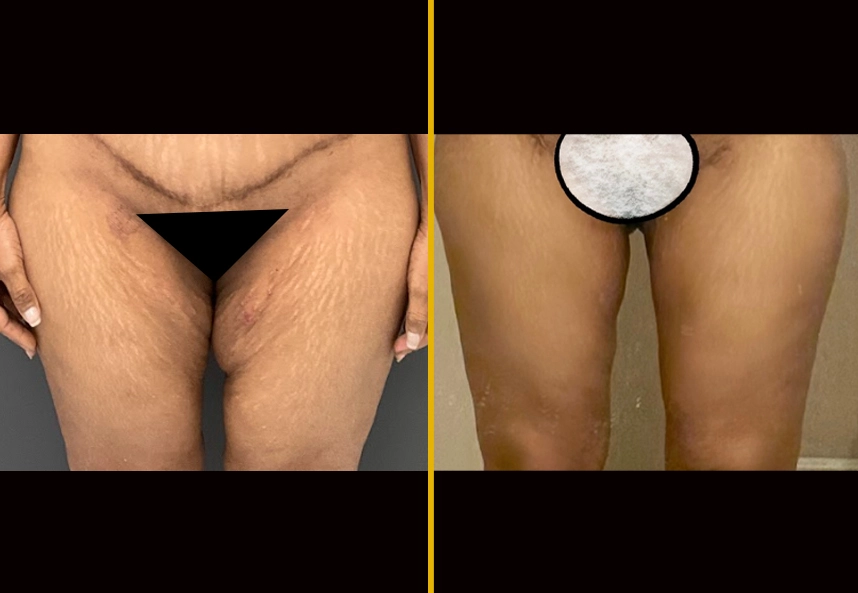
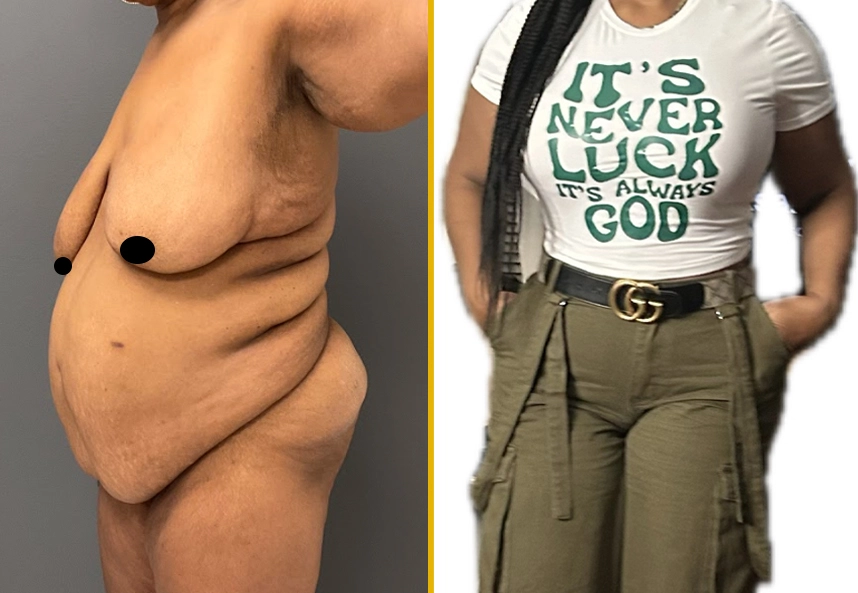
Advanced laxity demands a surgical approach. When skin has stretched significantly – whether from aging, weight loss, or pregnancy – noninvasive treatments simply cannot achieve adequate correction. Think of it this way: if you have a large, loose garment, taking it in slightly won’t create the tailored fit you need. Surgery removes excess fabric entirely.
You want immediate, dramatic results. Life events like weddings, milestone birthdays, or career transitions sometimes motivate people to seek transformation on a specific timeline. Surgery delivers visible change right away (once swelling subsides), whereas noninvasive treatments require patience as collagen gradually rebuilds.
You’re addressing multiple aging concerns simultaneously. A comprehensive facelift doesn’t just tighten skin – it repositions facial fat pads, secures underlying muscles, and can address issues like deep nasolabial folds or jowls that energy devices cannot adequately treat. For comprehensive facial rejuvenation, surgery often proves more cost-effective than multiple years of nonsurgical treatments.
You’ve reached a point where maintenance isn’t enough. Some patients try nonsurgical options first but eventually recognize they need more intervention. There’s no shame in progressing to surgery when noninvasive treatments no longer meet your goals.
Recovery Time: Key Differences
The recovery experience differs substantially between approaches. Non-invasive treatments typically involve:
Minimal to no downtime
Possible temporary redness or swelling lasting hours to a few days
Ability to apply makeup and return to work immediately
Rare complications, usually limited to minor burns or temporary numbness
Surgical recovery involves:
One to three weeks away from work and social activities
Bruising and swelling that gradually resolve over weeks to months
Temporary numbness, tightness, and altered sensation
More significant risks, though still rare, with qualified surgeons
Final results visible after several months, once all swelling subsides
Schedule Your Skin-Tightening Treatment at Our Clinic
At Revive Surgical Institute, we understand that every patient’s journey with facial aging is unique, which is why we offer a comprehensive range of skin-tightening procedures tailored to your specific needs and goals. Whether you’re dealing with mild sagging that could benefit from preventative treatments or experiencing severe skin laxity that requires a surgical procedure, our experienced team will develop a personalized treatment plan after a thorough consultation.
We specialize in both non-invasive options, such as laser therapy, for those seeking firmer skin with minimal downtime, and advanced surgical techniques for more dramatic transformations. Many of our patients choose to address multiple concerns simultaneously, improving overall skin texture while targeting other signs of aging, such as fine lines, volume loss, and pigmentation. Our skin-tightening procedures often involve multiple sessions spaced several weeks apart to achieve optimal collagen stimulation and natural-looking results.
Contact Revive Surgical Institute today to schedule your consultation and discover which approach will help you achieve your aesthetic goals most effectively.
Conclusion
The advancement of non-surgical options has revolutionized how we approach skin health and the aging process, offering solutions that involve minimal downtime while delivering impressive results. Technologies that heat deeper layers of tissue, including ultrasound therapy and radiofrequency devices, effectively stimulate collagen production to restore skin elasticity and enhance skin tone. Younger patients often choose these preventative treatments to address fine lines and moderate skin laxity before more aggressive intervention becomes necessary. Some patients opt for combined procedures (such as hair removal) spread over several sessions. Most ultrasound treatments result in only minor swelling and can achieve significant texture improvement, refining facial contours over several months as collagen remodels naturally.
That said, surgery remains the gold standard for dramatic transformation when non-invasive methods cannot adequately address your concerns. The key is understanding your current needs, realistic goals, and how each option aligns with your lifestyle. Whether you’re exploring ways to slow the aging process or seeking to restore more youthful facial contours, consulting with qualified professionals who offer the full spectrum of treatments – from gentle maintenance procedures to comprehensive surgical solutions – ensures you’ll receive honest guidance on the best path forward for your unique situation.