Tummy Tuck After Major Weight Loss: What to Expect From Surgery
Congratulations on achieving significant weight loss – it’s a tremendous accomplishment that requires dedication and perseverance. However, many people who lose substantial amounts of weight face an unexpected challenge: excess skin that won’t respond to diet or exercise. A tummy tuck, medically known as abdominoplasty, can be an effective solution for removing this excess abdominal skin and creating a more contoured appearance. This procedure not only removes loose skin but also tightens underlying muscles, helping you achieve a body profile that reflects your hard work and weight-loss success.
Before making this important decision, it’s crucial to understand what the procedure involves, whether you’re a good candidate, and what to expect during recovery.

Understanding the Impact of Massive Weight Loss on Your Body
When you undergo massive weight loss – typically defined as losing 100 pounds or more – your body goes through dramatic changes. While losing this weight improves your health in countless ways, from reducing blood pressure to lowering diabetes risk, it also creates unique cosmetic challenges.
The skin that once stretched to accommodate excess weight doesn’t always bounce back, especially after significant or rapid weight loss. This excess skin can cause both physical and emotional concerns. Beyond the aesthetic impact, loose abdominal skin can lead to hygiene issues, skin irritation, rashes in skin folds, and difficulty finding clothing that fits properly. Many people report feeling frustrated that, after working so hard to lose weight, they still don’t feel comfortable in their own skin.
Why Loose Skin Develops After You Lose Weight
To understand why loose skin becomes such a persistent issue, it helps to know how skin responds to weight changes. Your skin is remarkably elastic and can expand during pregnancy or weight gain. However, when skin is stretched for extended periods, the collagen and elastin fibers that give skin its resilience can become damaged.
When you lose weight, especially rapidly or in large amounts, the skin doesn’t have adequate time to adapt and shrink proportionally. The result is excess skin that hangs from various areas of the body, with the abdomen being one of the most common trouble spots. This is particularly true if you carried significant weight around your midsection.
The extent of loose skin you’ll experience depends on several factors:
Duration of obesity: The longer you carried excess weight, the more likely you’ll have significant loose skin
Amount of weight lost: Greater weight loss typically results in more excess skin
Age: Older skin has less elasticity and is less likely to snap back
Genetics: Some people naturally have more elastic skin than others
Sun exposure and smoking: Both can damage skin elasticity over time
What Are Body Contouring Surgeries?
Body contouring surgeries are procedures designed to address excess skin and tissue that remain after major weight loss. These procedures reshape and tone the underlying tissue that supports fat and skin, removing sagging skin to create a more proportionate body appearance.
Tummy tuck surgery is one of the most popular body-contouring procedures, but it’s far from the only option. Other procedures include arm lifts, thigh lifts, lower body lifts, breast lifts, and back lifts. Many people choose to combine multiple procedures, but this decision should be made carefully with your surgeon, taking into account your health, goals, and recovery capacity.
What makes body-contouring surgeries different from weight-loss procedures like gastric bypass is their focus. These aren’t procedures to help you lose weight – they’re designed to remove the excess skin and reshape your body after you’ve already achieved your weight loss goals.
How Post-Weight-Loss Surgery Addresses Abdominal Skin
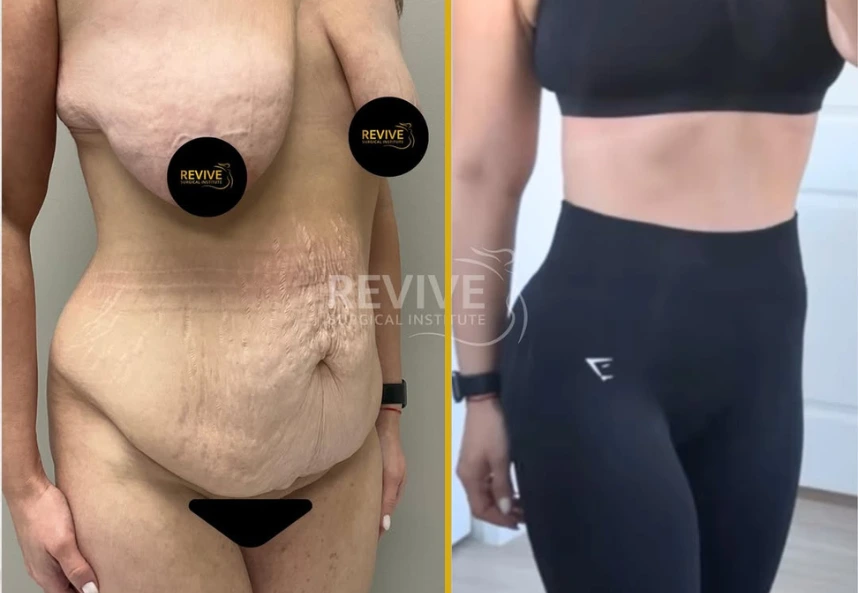
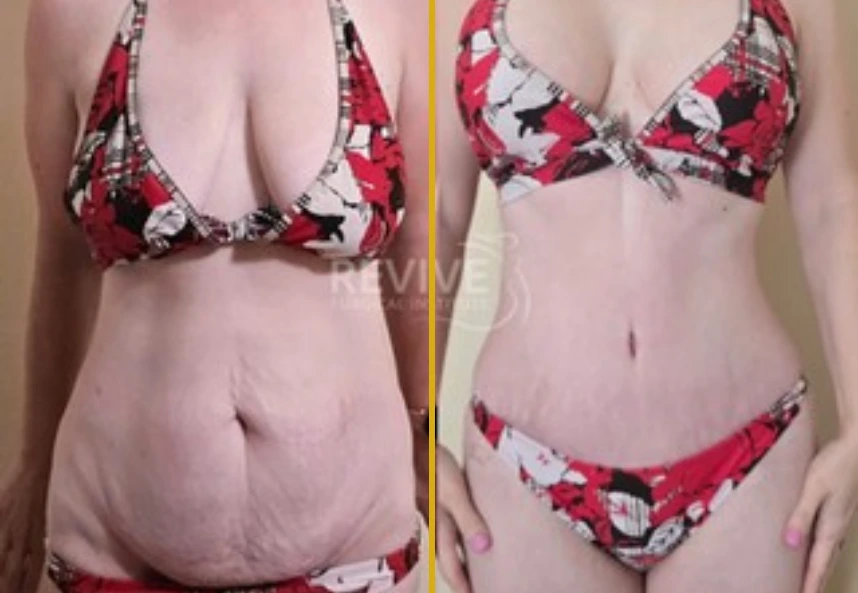
Post-weight-loss tummy tuck surgery specifically targets the abdominal area, which is often the most problematic zone for excess skin. The procedure removes hanging abdominal skin that typically extends from below the chest to the pubic area, creating a pannus or “apron” of tissue.
During the surgery, your surgeon makes an incision typically extending from hip to hip, just above the pubic area. Through this incision, excess skin and fat are removed. The remaining skin is then pulled taut and repositioned to create a flatter abdominal profile. If you have stretch marks on your lower abdomen, many of these will be removed along with the excess skin.
The extent of surgery varies depending on how much excess skin you have. A full tummy tuck addresses the entire abdominal area from the rib cage to the pubic bone, while a mini tummy tuck focuses on the area below the belly button and involves a smaller incision.
The Role of Abdominal Muscles in Body Contouring
An often-overlooked benefit of tummy tuck surgery is the repair and tightening of abdominal muscles. During pregnancy or periods of obesity, the rectus abdominis muscles (your “six-pack” muscles) can separate, creating a condition called diastasis recti. This separation can persist even after weight loss, resulting in a protruding belly despite minimal fat.
During a tummy tuck, your surgeon can suture these separated muscles back together, creating a firmer abdominal wall. This muscle repair:
- Creates a flatter, more defined midsection
- Improves core strength and stability
- Reduces back pain that may result from weakened abdominal support
- Enhances posture
- Provides better support for internal organs
This muscle repair is a key distinction between tummy tuck surgery and less invasive procedures like liposuction, which only removes fat and doesn’t address muscle laxity or excess skin.
Achieving Stable Body Weight Before Considering Surgery
One of the most important criteria for being a good candidate for a tummy tuck is maintaining a stable body weight. Most surgeons recommend that you be within 10-15 pounds of your goal weight and have maintained that weight for at least six months before surgery.
Why is weight stability so crucial? If you continue to lose significant weight after your tummy tuck, your results may change dramatically, potentially requiring revision surgery. Conversely, gaining substantial weight can stretch your newly tightened skin and compromise your results. Your surgeon wants to ensure that the body they’re contouring represents your long-term size and shape.
Additionally, you should have completed any planned pregnancies, as pregnancy after a tummy tuck can reverse the results by stretching the abdominal skin and separating the repaired muscles.
Exploring Your Surgical Options with a Plastic Surgeon
Choosing the right plastic surgeon is perhaps the most important decision you’ll make in this process. You want a board-certified plastic surgeon with specific experience in body contouring after weight loss, as these procedures require specialized expertise.
During your consultation, your plastic surgeon will:
Evaluate your overall health and medical history
Assess the amount and location of excess skin
Discuss your aesthetic goals and expectations
Explain the surgical options available to you
Review the risks and potential complications
Provide before-and-after photos of previous patients
Outline what recovery will involve
Be honest about your health, lifestyle, and expectations. If you smoke, you’ll need to quit for several weeks before and after surgery, as smoking impairs healing and increases complication risks. Your surgeon will also want to know about any medical conditions, medications, or previous surgeries.
Recovery and Long-Term Results
Recovery from a tummy tuck is significant and requires planning. Most people need 2-4 weeks off work, and full recovery takes several months. You’ll have drains placed during surgery to prevent fluid buildup, and you’ll need to wear a compression garment for several weeks.
Initial results are visible immediately, though swelling will obscure your final outcome for several months. Scars are inevitable – the incision extends from hip to hip – but most surgeons position them low enough to be concealed by underwear or swimsuits. Scars fade significantly over time, typically becoming much less noticeable within a year or two.
The results of a tummy tuck can be long-lasting if you maintain your weight and live a healthy lifestyle. While your body will continue to age naturally, the excess skin you had removed will not return. Many patients report increased confidence, greater comfort during physical activity, and renewed motivation to maintain their weight loss.
Schedule Your Tummy Tuck Surgery at Revive Surgical Institute
If you’re ready to complete your weight-loss journey and address the extra skin that remains after extreme weight loss, Revive Surgical Institute offers comprehensive aesthetic plastic surgery solutions tailored to your unique needs. Our experienced cosmetic surgery team specializes in the tummy tuck procedure, helping patients remove excess skin from both the lower and upper abdomen while addressing muscle separation that often occurs after significant weight changes. We understand this is major surgery, which is why we take the time to thoroughly evaluate each patient’s health, discuss realistic expectations, and create a personalized surgical plan tailored to your specific concerns.
Most patients who come to us after substantial weight loss struggle with body image issues despite their incredible achievement, and we’re committed to helping you feel as confident on the outside as your dedication deserves. Our state-of-the-art facility and compassionate staff provide the support you need throughout your entire experience, from your initial consultation through recovery and beyond.
Contact Revive Surgical Institute today to schedule your consultation and take the final step toward the body contour you’ve worked so hard to achieve – because your transformation deserves a finale that reflects your commitment and perseverance.
Conclusion
A tummy tuck after major weight loss is a transformative plastic surgery option, but it requires careful preparation and realistic expectations. Before undergoing this surgical procedure, ensure you’ve achieved a stable weight for at least six months following bariatric surgery or natural weight loss, as your surgeon needs to contour the body you’ll maintain long-term. Be transparent with your plastic surgeon about all medications and herbal supplements you take, as some can increase risks like poor wound healing, blood clots, or even deep vein thrombosis. While complications are rare with an experienced surgeon, understanding that a significant amount of planning and commitment is required will help you approach this decision with confidence and clarity.
The healing process for abdominal contouring requires patience; most restrictions last up to six weeks as your surgical site heals and your new body shape settles into place. Your surgeon will provide prescription pain medication and specific instructions to minimize swelling and support a smooth recovery. While some changes in skin sensation around the incision area are normal and usually temporary, the dramatic improvement in your appearance makes the journey worthwhile for most patients. Remember that this is your final chapter in transforming not just your body, but your entire relationship with yourself – approach it with the same determination that brought you this far, and you’ll achieve results that truly complete your remarkable transformation.