
Alloclae for Hip Dips: How Many Syringes?
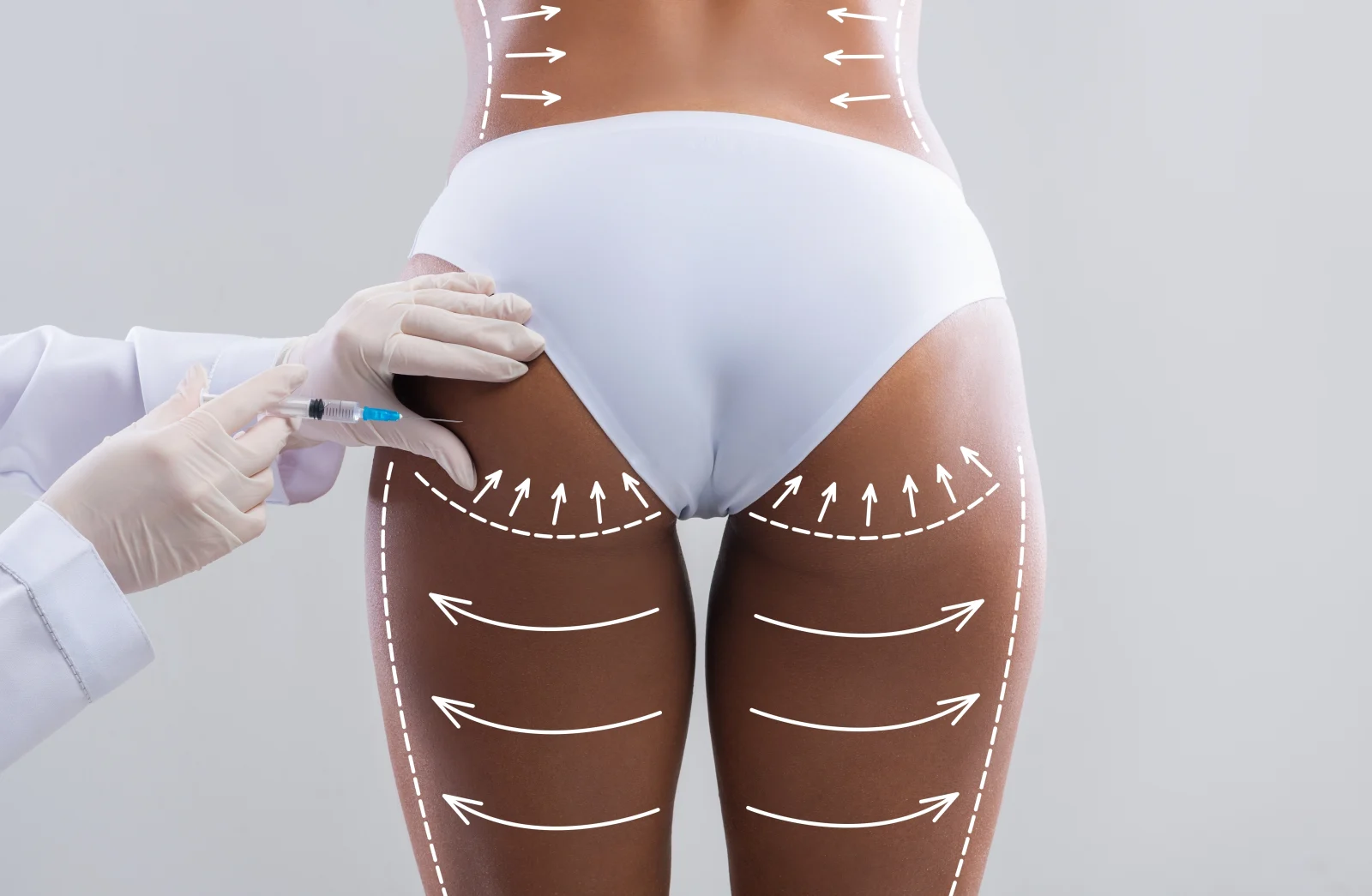
Alloclae for hip dips usually takes about 25cc to 50cc per side. Shallow dips sit at the low end of that range, and deeper dips, or hips that also need a smoother line into the thigh, need more. Alloclae is measured in cc rather than in the 1mL syringes used for facial filler, so your plan at Revive Surgical Institute is written as a volume per side after Dr. Morad Askari examines your hips.
Below is what decides that number, what the result looks like as it settles, and who is a good fit for Alloclae for hip dips.
What Hip Dips Are and Why Alloclae Can Fill Them
Hip dips are the inward curves between the top of the hip bone and the upper thigh. They come from the shape of the pelvis and where the thigh bone sits, so diet and exercise rarely change them. Many very fit patients have them.
Alloclae is processed donor fat tissue that is injected through a small cannula. It adds volume to the hollow right away and then integrates with your own tissue over the following months. Because the product comes ready to use, there is no liposuction to collect your own fat first. That makes it a good option for lean patients who have been told they do not have enough fat for a traditional fat transfer.
You can read more about the product and every area we treat with it on our Alloclae in Miami page.
How Much Alloclae Hip Dips Usually Need
Four things set the volume:
- Depth of the dip. A soft curve may only need around 25cc per side. A sharp step between hip and thigh needs 50cc per side or more.
- Length of the dip. Some dips are short and sit just below the hip bone. Others run several inches down the outer thigh and need product spread along the whole line.
- Symmetry. Most people have one deeper side. The two sides are often treated with different volumes so they match at the end.
- Your goal. Some patients want the dip softened. Others want a fuller, rounder hip that flows into the buttocks. The second goal needs more product.
Hip dips are a smaller area than the buttocks. For comparison, the buttock patients in our gallery below received 100cc and 150cc per side. A hip dip plan is usually well under that.
One Session or Two
Many patients reach their goal in one session. When the dip is deep, Dr. Askari may place part of the volume first and add the rest at a follow-up visit once the first round has settled. Building in stages gives a smoother contour than forcing a large volume into a tight space at once, and it lets you judge the result before adding more.
Real Alloclae Results at Revive
These are real patients Dr. Askari treated with Alloclae at our practice: two buttock cases and one upper breast case. The photos contain nudity, so they stay blurred until you choose to view them.
What to Expect After Alloclae for Hip Dips
The hips look fuller right after treatment. Part of that is swelling, which settles over the first one to two weeks. Mild tenderness or firmness at the injection sites is common in the first few days. Most patients return to normal daily activities within a day or two.
The contour then refines over the next few months as the product integrates. Most patients see the shape they will keep at around three to six months. Because the result becomes part of your own tissue, a stable weight is the best way to protect it. Our guide on how long Alloclae results last covers the full timeline.
Who Is a Good Candidate
Alloclae for hip dips is a good fit if you:
- Have hip dips that have not changed with diet or exercise
- Are lean, or prefer to avoid liposuction to harvest your own fat
- Want a softer, natural curve rather than a dramatic change in size
- Are at a stable weight and in good general health
If you want a large change in both your waist and hips, surgical fat transfer may suit you better, because liposuction slims the waist while the fat fills the hips. Patients who also want more buttock projection often combine hip dips with a Liquid BBL in the same visit.
Watch Dr. Askari Explain Alloclae
Dr. Morad Askari, a board-certified plastic surgeon, explains when Alloclae is the right choice and shows how the treatment is done in the operating room.
What these videos cover
- Alloclae is a processed donor fat graft used to restore volume and improve contour in select patients.
- It fits best for small contour irregularities, minor depressions or dimples, and revision procedures that need a small amount of volume.
- For larger fat transfers, like a first-time BBL, your own fat is usually still the preferred option because it allows much more volume without the cost of donor tissue.
- The procedure: the area is prepped with antiseptic and numbed, tiny access points are made, ultrasound shows the tissue layers, and the Alloclae is placed under ultrasound guidance.
Conclusion
Most patients need about 25cc to 50cc of Alloclae per side to soften hip dips, with deeper or longer dips needing more and sometimes a second session. The only way to know your number is an exam of your hips, your symmetry and your goal. Learn more about Alloclae in Miami and book a consultation with Dr. Askari at our Coral Gables office.

About the Author
Dr. Morad Askari, MD, MBA, FACS
October 19, 2026